John Daffy
‘I think we need to have a complete paradigm-shift about how people respect the roads. I think it is my duty to tell my story’
‘I think we need to have a complete paradigm-shift about how people respect the roads. I think it is my duty to tell my story’
‘I think we need to have a complete paradigm-shift about how people respect the roads. I think it is my duty to tell my story’
‘I think we need to have a complete paradigm-shift about how people respect the roads. I think it is my duty to tell my story’
‘I think we need to have a complete paradigm-shift about how people respect the roads. I think it is my duty to tell my story’
Road Safety Australia
Road Safety Australia
Road Safety Australia
Road Safety Australia
Road Safety Australia
There is no such thing as a traffic accident. There are road crashes. Brutal, bloodied, noisy, surreal and at times, almost unidentifiable scenes where horror, misery and regret descend like a haunting dark blanket of death over sons, daughters, sisters, brothers, cousins, friends and parents. They result from choices, attitudes and behaviours of drivers.
Trying to couch ‘road smashes’ in a cocooned description of blamelessness such as ‘accident’ is simply a reflection of people not wanting to take responsibility for their own choices, attitudes and behaviours.
That was the clear message delivered to the latest group of around 50 participants who attended one of the Attitudinal Drivers Workshops held regularly at a local sporting club.
And while that club markets itself as a community sporting, entertainment and dining facility, the brutal messages and lessons being learned in the pleasantly furnished function room, were a lot harsher than anything featured in the club’s promotional materials.
Among the attenders were repeat, no, make that, repeating repeat traffic offenders; some were students and others were there clearly as a pre-requisite to getting their driver’s licence reinstated. That the club donates a function room entirely free of charge to the Attitudinal Driver Training Workshop Team, to assist in road safety educational sessions, is highly commendable.
That so many attendees have proved themselves to be out of touch with the realities of foolhardiness, is highly alarming.
Speakers like Constable Chris Hay and Senior Constable Neil Punchard; 38 year career-hardened Senior Fire-fighter George Phillips; and road trauma medical specialist Dr Chris May who is Director of a Hospital Emergency Department, showed photo after photo explaining the lead up to, the smash itself, the contributing factors and the impacts wreaked upon not only the main players, but their extended social networks.
George the firie explains how his crew can cut a car into quarters in seven minutes, provided no one is in it. If there is, the victim is probably going to remain trapped inside for around four hours as medical crews try to stabilise life before any cutting can commence. And then it’s a slow, deliberate, precise and very, very slow exercise.
“When I started as a fireman, we used to put our fires,” George said.
“Today, the bulk of a fireman’s work relates to rescuing people.”
At the back of the room, Doug Wright’s jeans hide the buckled remains of a right leg held together by screws, plates, medical skill and courage. Doug, accompanied by his wife Gay, described himself as one of the ‘lucky’ ones.
Lucky?
Eight months in hospital, 120 hours undergoing various operations as surgeons and hospital staff continue trying to put him back together; racking up bills of somewhere between $800,000 and $1,000,000 and family anguish beyond belief – that is the price he is paying, because another driver apparently reached for a bottle of water, lost control of his ute, crossed to the wrong side of the road and speared head-on into Doug’s small truck in 2012.
“Yes, lucky – because I am alive and I’ve got the chance to tell others that it happens to everyday people, just like me,” he says.
“I think we need to have a complete paradigm-shift about how people respect the roads. I think it is my duty to tell my story.”
Doug tells his story. Three and a half hours to extract him from the wreck and a list of broken bones that makes you think hard about the chances of survival and about the pain.
The message clearly sinks in with some people. He pauses while Gay talks about what it means to become a carer overnight and the impacts on their family.
Her voice trembles once or twice, she continues on, holds back the tears and her message also is heard. I know it is, because a number of people shake hands with Doug and Gay before leaving the venue.
Senior Constable Neil Punchard plays an audio he recorded while booking a 17-year old for speeding.
In it, he somewhat predictively warns the teen: “Mate – you’ve got to wise up or you won’t see your 18th birthday.”
The policeman cuts to the next slide – showing a dreadfully smashed car with a 17-year old driver that had died within it.
A Humvee military vehicle blown up in Afghanistan. A yellow sedan equally crumpled on a local road.
“Can you identify them?” asks our local traffic cop. I couldn’t, but one young car enthusiast picked the Humvee.
“The difference between a plane and a car?” Senior Constable Punchard questions again.
“You can’t land a car safely – but if you do 170km/h along a road you can hit a power pole two metres up.”
And that’s probably also a good time to point out that Anti-Lock Brakes; Electronic Stability Control Systems, progressive crumple zones and other safety innovations will not assist you either once you have made the choice to drive it like a ballistic missile.
Think you’re safe sitting in your car at the lights – think again. Backed with an armoury of data about vehicle distances travelled per second; closing speeds and durations between on-coming vehicles; the inter-relation of perception, reaction and braking times; how forces of inertia can split vital organs in half; how human factors contribute to 93 percent of fatal accidents, the team skilfully detailed scenario after scenario and posited questions.
They’re designed to drive home the outcomes message – not just the medical ones, but also the criminal charges that follow, the likelihood of a prison sentence and what that means in the real world, injuries sustained, the deaths, the costs, and the impacts on communities.
The Attitudinal Drivers Workshop is designed to highlight to young, complacent or inexperienced drivers, the dangers of poor driving choices.
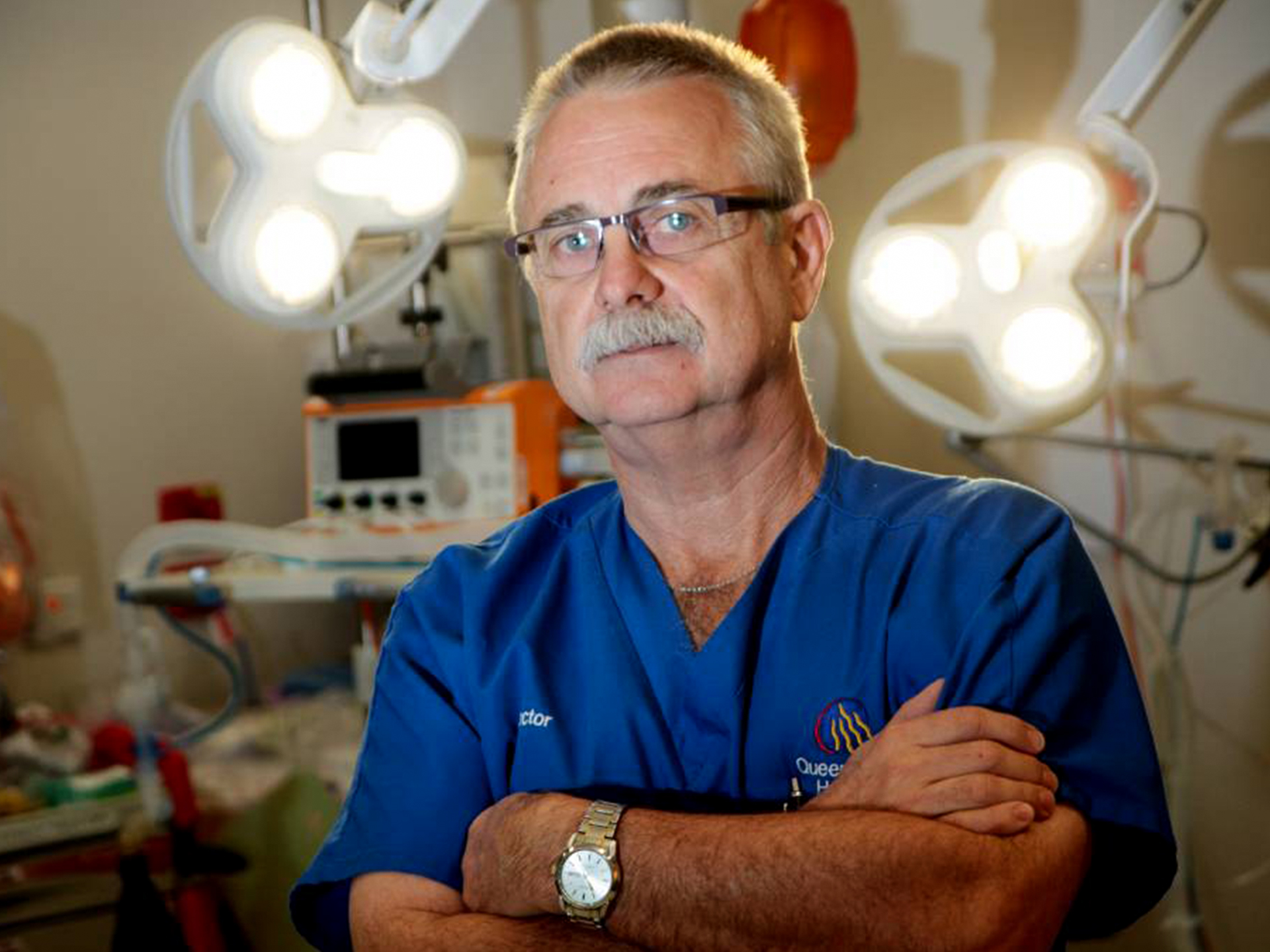
Dr Chris May
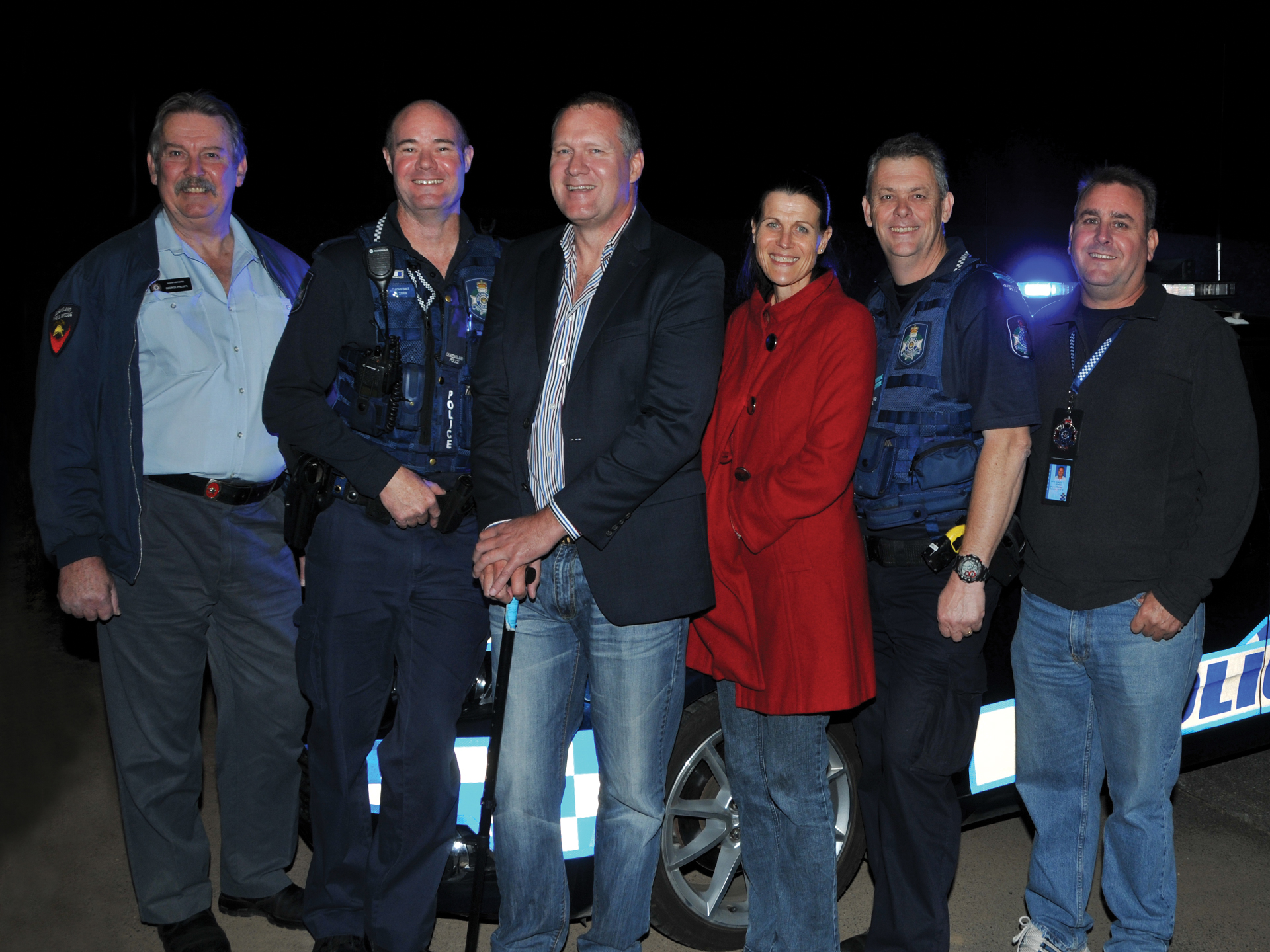
Attitudinal Driver Training Team