Ben McMullen, Lisa Bailey
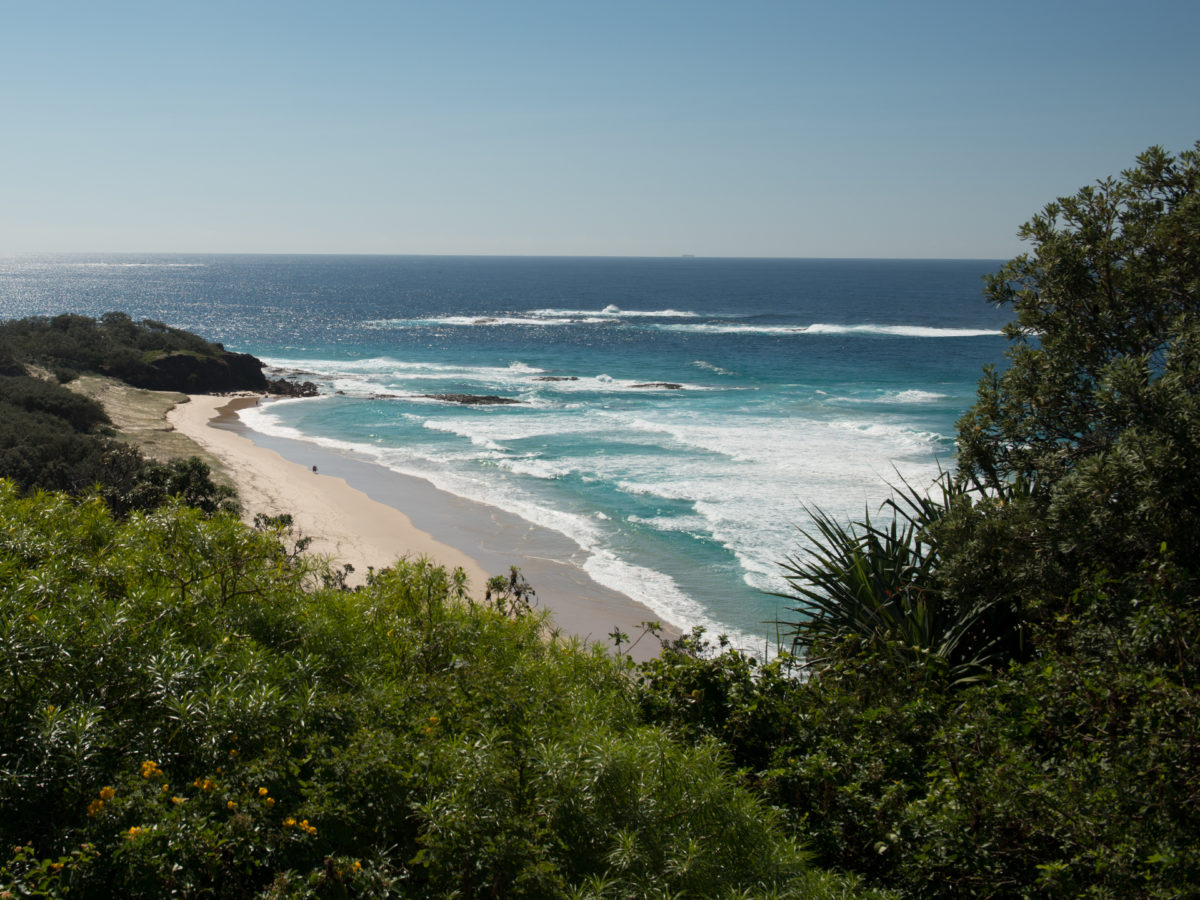
Feature image is of North Stradbroke Island, Redland City.
‘Think about how the diversity of soils influences the vegetation around you, and how that in turn is contributing to the dynamic web of life.’
‘Think about how the diversity of soils influences the vegetation around you, and how that in turn is contributing to the dynamic web of life.’
‘Think about how the diversity of soils influences the vegetation around you, and how that in turn is contributing to the dynamic web of life.’
‘Think about how the diversity of soils influences the vegetation around you, and how that in turn is contributing to the dynamic web of life.’
‘Think about how the diversity of soils influences the vegetation around you, and how that in turn is contributing to the dynamic web of life.’
Flora, Fauna and the Environment
Flora, Fauna and the Environment
Flora, Fauna and the Environment
Flora, Fauna and the Environment
Flora, Fauna and the Environment
Redland City has a diverse range of land formations, from the steep rocky scree slopes, undulating hills and tidal mudflats, to the great sand dunes of North Stradbroke Island. With vastly different soil types, ranging from the volcanic derived rich red soils for which Redland City is named, through to the deep white sand profiles of the second largest sand island in the world, North Stradbroke Island.
The rich red soil of the Redlands is known as krasnozem soil, one of the most fertile soils in Australia. It has high mineral and organic components with moisture retaining characteristics that make it very productive for plant growth. In contrast, the deep and highly weathered sandy soils found in dune systems on Stradbroke Island are very low in minerals and organic matter and retain little moisture. In between these extremes, the Redlands has a wide range of soils of varying mineral, nutrient and moisture holding characteristics.
It is common for soil types and structure to vary highly across the landscape, even within these smaller areas.
Diversity in soil type has a strong influence on the structure, complexity, density and productivity of the natural vegetation communities found in a locality. Where soil productivity is high and soils retain moisture, faster plant growth rates can be sustained. In these areas, there are higher levels of competition between different plant species for the opportunity to take advantage of the favourable growing conditions.
Under these circumstances we tend to find vegetation communities that are more dense (more plants per hectare), have higher floristic diversity (more variety of species per hectare), and have higher biomass levels (more tonnes of plant tissue per hectare).
In these vegetation communities, the presence of more plants producing higher quantities and diversity of flowers, fruits, seed, nesting and shelter opportunities creates correspondingly higher levels of animal abundance and diversity.
Plants and animals using these habitats, show adaptations that allow them to make the use of high levels of nutrient availability and competition. A classic example of this can been seen in the rainforest giants such as Blue Quandong (elaeocarpus grandis) that can be found at Mt Cotton and other Lowland Subtropical Rainforest areas of the Redlands.
The Blue Quondong produces an abundance of white flowers and blue fruit eaten by a range of animals including Woompoo Fruit Dove (Ptilinopus magnificus) and Spectacled Flying Foxes (Pteropus conspicillatus). Blue Quandong is just one of the iconic species contained within the incredibly rich and diverse group of plants and animals occurring within the Lowland Coastal Rainforest, which is itself listed as a nationally endangered ecological community.
By contrast, where the soil is poor in nutrients and does not have good moisture holding characteristics, plant communities are presented with unique challenges.
In a low nutrient landscape plants need to have specialised strategies for collecting and cycling nutrients to allow them to survive and thrive. These communities are usually characterised by lower levels of plant diversity and abundance.
Grizzled single trees, sparse open bush, grasses and hardy groundcovers often present the main plant species in low nutrient soils. In these areas, there are is less food and shelter available for animals to graze and occupy, and consequently animal richness and abundance are markedly lower.
Picture a scribbly bark open woodland. The trees may be as old or even older when compared to rainforest giants but are much smaller. An abundance of hollow trunks and branches in older trees reflects an ecological strategy whereby trees effectively surrender wood (and associated nutrients) that is not required for their structural integrity, back to the soil of the at their root zone. Termites work to hollow out trees by consuming dead wood and returning it to the soil.
A host of animals move in to transform mature trees into “high rise apartment blocks” for critters. In doing so the tree obtains tenants who spend their days gathering food from all round the forest and then depositing the nutrients (in the form of droppings) at the plant’s root zone.
This symbiotic relationship between the tree and the animals is very beneficial for both. Australian animals are highly adapted to take advantage of the hollows created by mature trees in this way, and tree hollows are very important for the breeding and roosting of an unusually high proportion of animals in Australia compared with other continents.
The rare Glossy Black-cockatoo is an example of a local bird with very specific habitat needs. These birds only eat the very small seed found in the fruits of she-oak trees, and must feed almost continuously throughout the day to collect enough nutrients to sustain themselves.
In order to breed, they need a tall tree with a large hollow situated high off the ground. These birds occupy the penthouse suits in nature’s high-rise apartment blocks.
So next time you are enjoying the natural landscapes of the Redlands, take a moment to think about how the diversity of soils influences the vegetation around you, and how that in turn is contributing to the dynamic web of life.
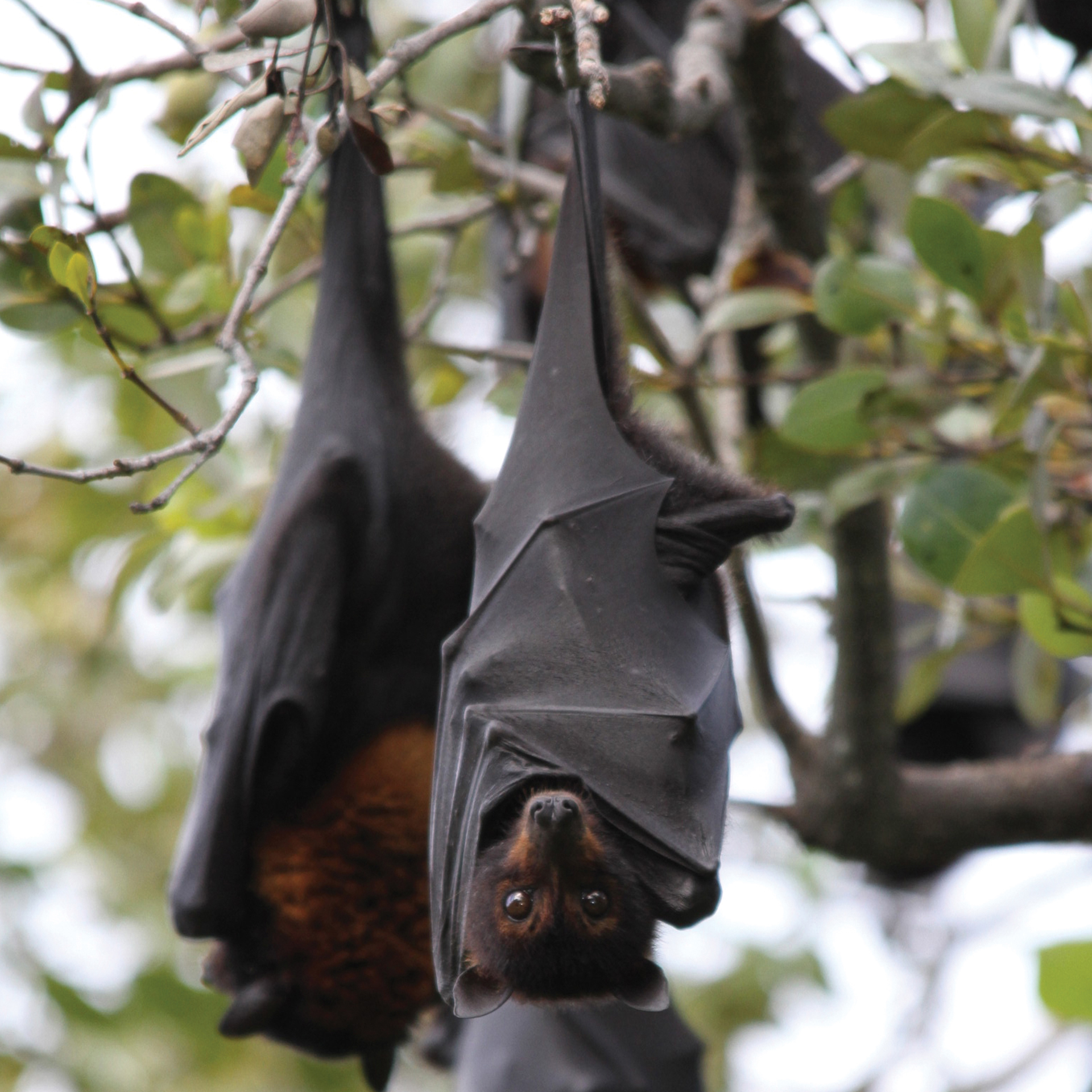
Spectacled Flying Fox (Pteropus conspicillatus)
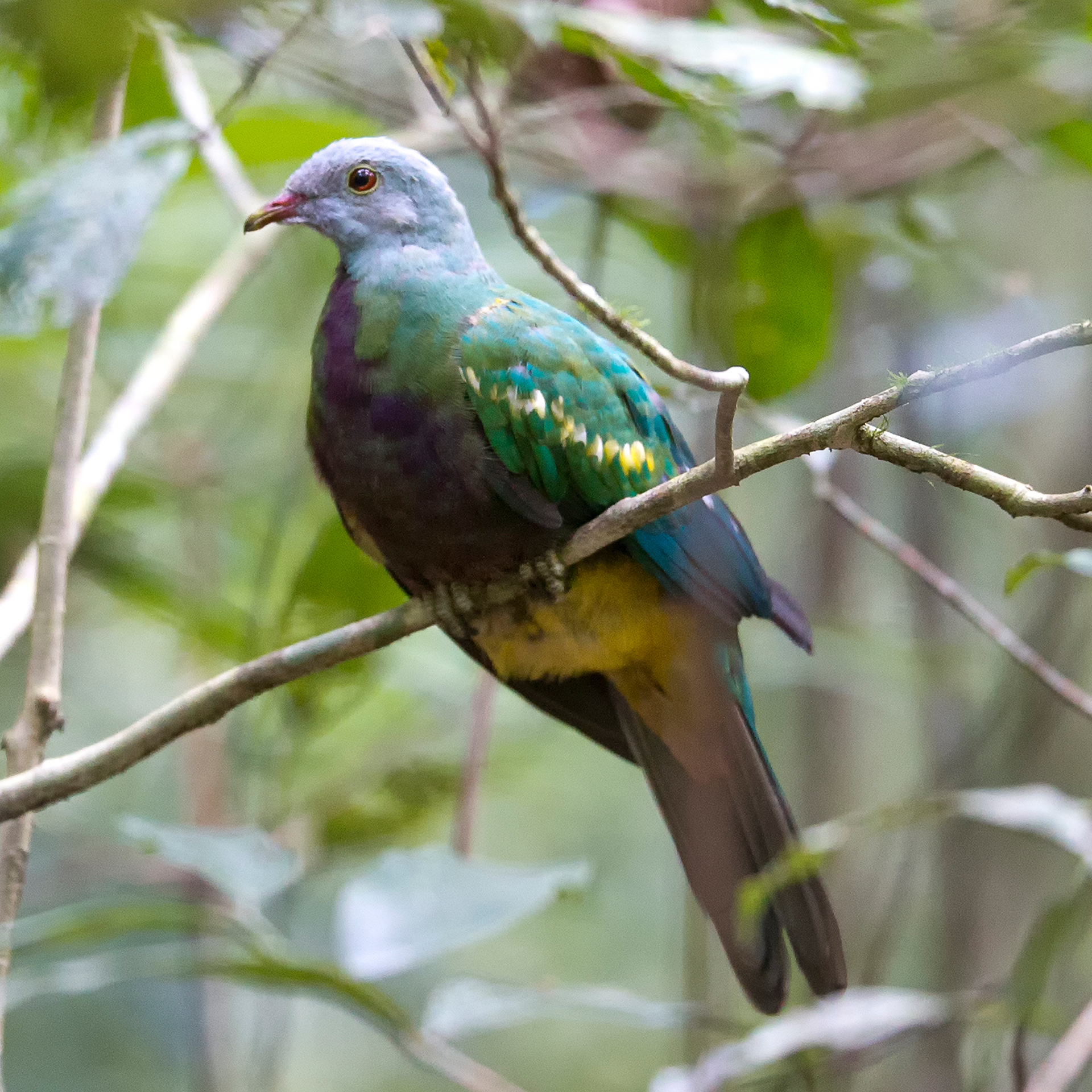
Woompoo Fruit Dove (Ptilinopus magnificus)
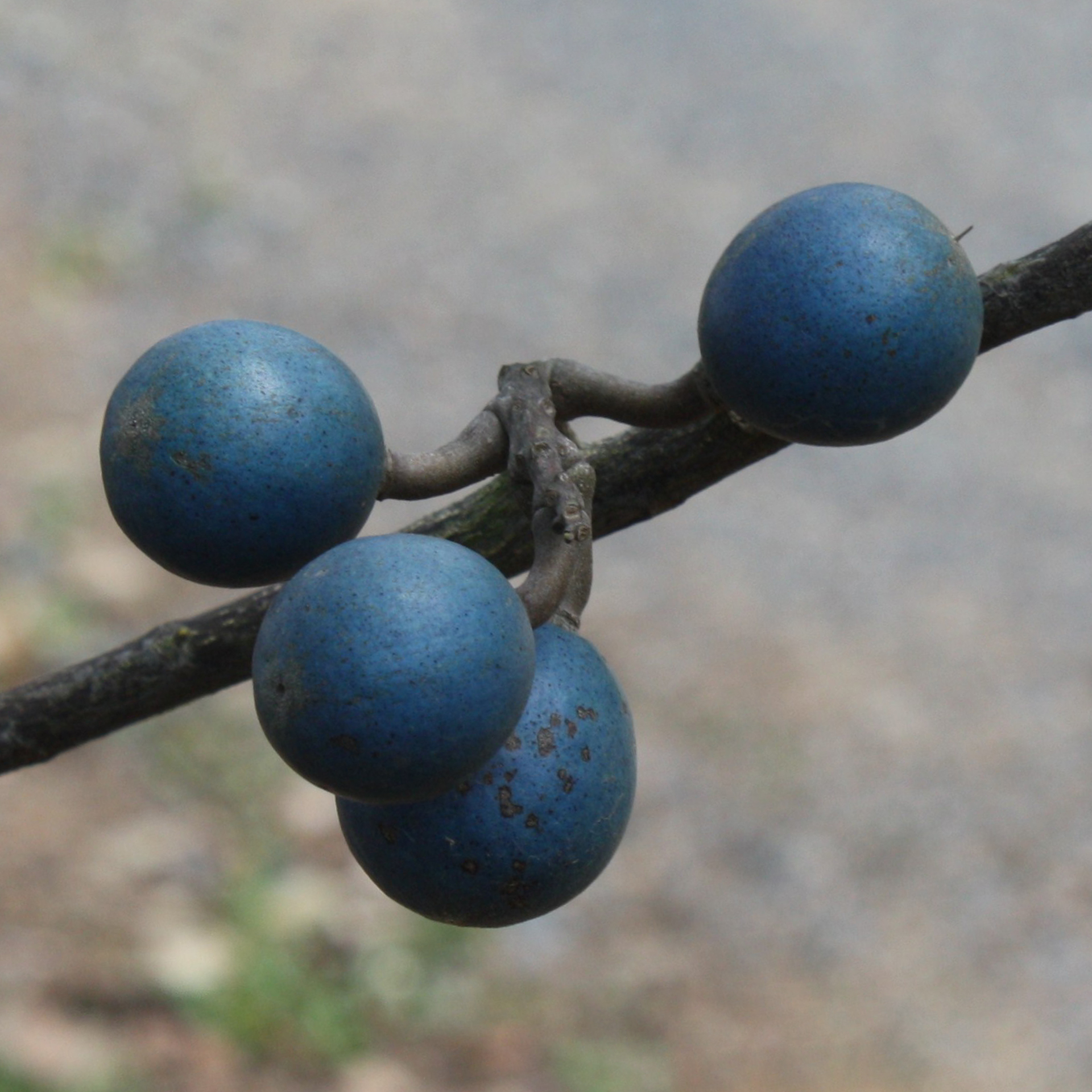
Blue Quandong (Elaeocarpus grandis)
Glossy Black Cockatoo
Glossy Black Cockatoo
Glossy Black Cockatoo
Glossy Black Cockatoo
Glossy Black Cockatoo
Adaptations of plant communities, found with Redland City, to varying soil and geological conditions, produces a mixture of ecological communities across this landscape. Within this mosaic, we discover that there are a range of ecological niches that create just the right conditions to support the life cycles of individual species.
Let’s now look a little closer into the private life of the shy and reclusive Glossy Black-Cockatoo. Although strictly speaking the Glossy Black-Cockatoo is neither glossy in texture, nor pure black in colour, however, it is a strikingly beautiful bird. Glossy Black-Cockatoos (Calyptorhynchus lathami) include three recognised subspecies. The most widespread subspecies C. l. lathami, is found in Queensland, New South Wales and Victoria. Subspecies C. l. erebus, occurs in central Queensland and subspecies, C. l. halmaturinus, occurs as an isolated population on Kangaroo Island in South Australia.
Unfortunately, these beautiful birds are listed as vulnerable in Queensland and NSW, threatened in Victoria and endangered in South Australia. Conservation programs, such as the Glossy Black-Cockatoo Conservancy (in South East Queensland), have been established in recognition of the need for people to work collaboratively across government, industry and community sectors to protect and restore the populations of these very special birds.
Some of the most significant populations of Glossy Black-Cockatoos in South East Queensland occur around the Southern Moreton Bay Islands and North Stradbroke Island. In the Redlands we have community members who have become dedicated Glossy Black-Cockatoo monitors. These people have been recording sightings since 1998, and have recorded over 1477 sightings of Glossy Black-Cockatoos in the Redlands. The vast majority of these sightings have come from North Stradbroke Island and the Bay Islands.
Unlike some of their better-known cousins like the Yellow-tailed Black-Cockatoos and the Sulfur-crested Cockatoo, who create a big noise and stir wherever they go, Glossy Black-Cockatoos are not raucous, and tend to feed quietly in small groups throughout the day. Eating only the small protein rich seeds taken from the nuts of the Allocasuarina (She Oak, or Whispering Pine) group of trees, Glossy Black-Cockatoos, are considered amongst the fussiest eaters in nature. In the bird’s coastal ranges of South East Queensland and North East New South Wales, they feed exclusively on two species: Allocasuarina littoralis or Black She-oak (found in open forest and woodlands predominantly near the coast on well drained sandy or “poor” soils); and Allocasuarina torulosa or Forest She-oak (an understory tree in open forest to tall open forest on moister, higher nutrient soils).
Their fussy habits go even further, as each family of Glossy Black-Cockatoos will identify a very small number of feeding trees across their habitat range. They visit these feeding trees faithfully to harvest seeds often ignoring trees laden with cones in the same location. After taking a ripe cone from the tree, the birds hold it in their left claw and using their very strong and rather bulbous beaks carefully extracts the tiny seeds from the cone.
Glossy Black-Cockatoos feeding trees can be identified by the presence of chew cones (called orts) on the ground underneath. It is not unusual for these nonchalant birds to feed quietly in trees where people are standing close by.
Having fed almost continually throughout the day from their favourite trees, family groups often come together at drinking holes in late afternoon. To be used by Glossy Black-Cockatoos, drinking holes must provide clean water, be secluded and provide protection from predators and have a perching point nearby, where the birds can congregate before descending to drink.
Being discerning homemakers, they choose deep hollows, with large openings high above the ground in large, old trees. The suitability of a dwelling, depends on the hollows being 10cm or greater in aperture and over 10 meters above the ground. Other factors such as the orientation of the hollow and degree of insulation also play a part in determining the suitability of hollows for use by Glossy Black-Cockatoos. In order for a hollow of this specification to form, most species of tree will need several hundred years of growth. Glossy Black-Cockatoos must have these nesting environments in order to breed, and without them, new young birds cannot be brought into the population.
In pre-European times, the majority of trees in the canopies of the Australian bush were mature trees that had entered the stage of their growth where hollows formed in trunks and branches. This characteristic is import in nutrient recycling for the latter part of the lifecycle of the trees. As a result, the bush provided an abundance of nesting opportunities for all types of animals that use hollows. Clearing of forests for grazing, timber harvesting and in more recent times, removal of large old trees for urban development has dramatically reduced the breeding and sheltering opportunities for all types of native animals.
This is a particular concern for Glossy Black-Cockatoos, as they naturally have a low reproductive rate. Glossy Black-Cockatoos usually only breed every 2 years and have one young per breeding as their chicks require a long period of parental care. If no breeding site is available, they may go for a longer period before breeding again, or if they do attempt to breed, the young may not survive.
It is for this reason that the council of Redland City hold annual plantings to provide these special birds with the shelter and food needed, to continue to grow and flourish. This city has seen 8,200 trees planted over the past decade and maintains an annual survey to track their numbers.
With more understanding and care for their unique attributes and needs, we can ensure that the habitat that they require is conserved for future generations for both birds and people to enjoy.
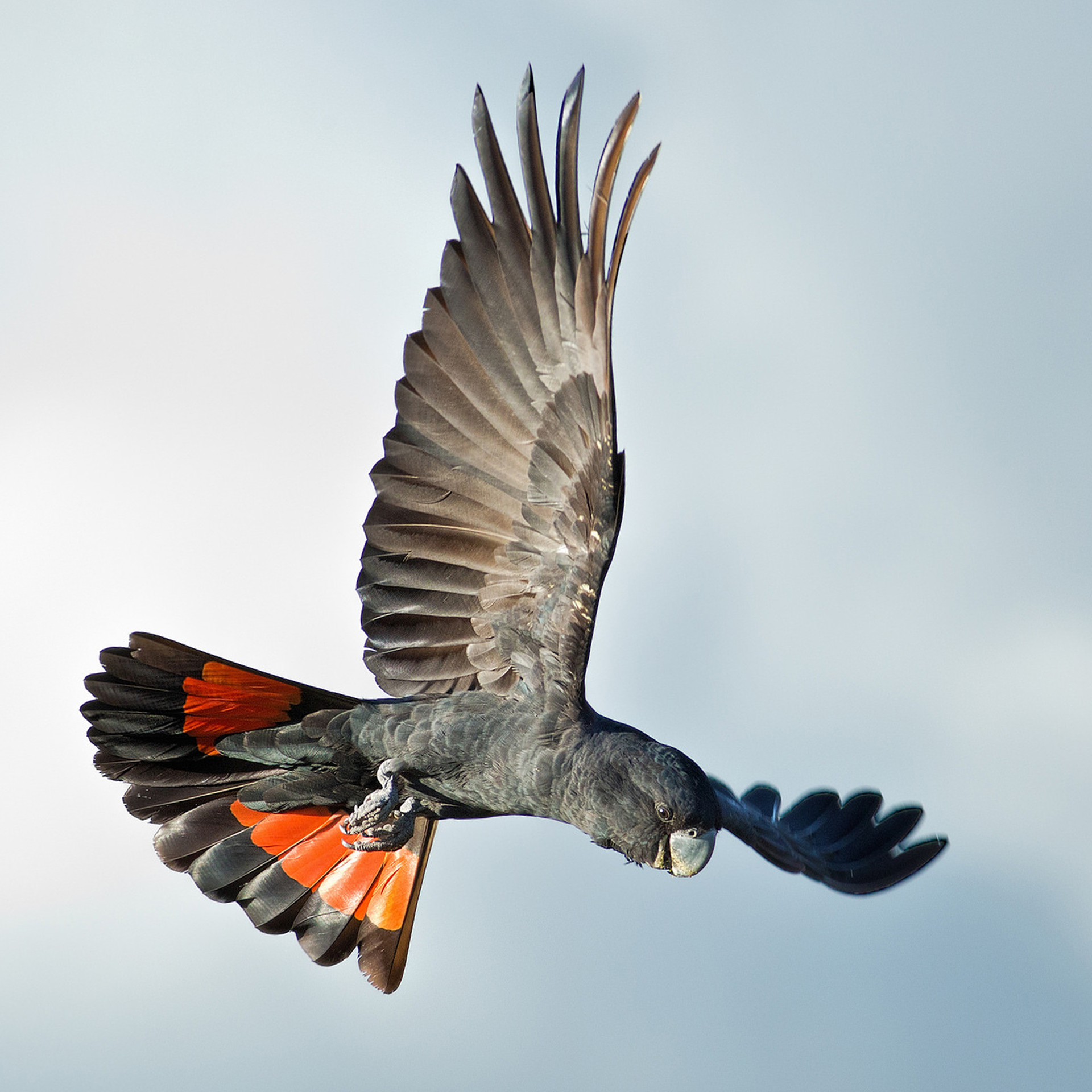
Glossy Black Cockatoo (Calyptorhynchus lathami)