Eric Anglès
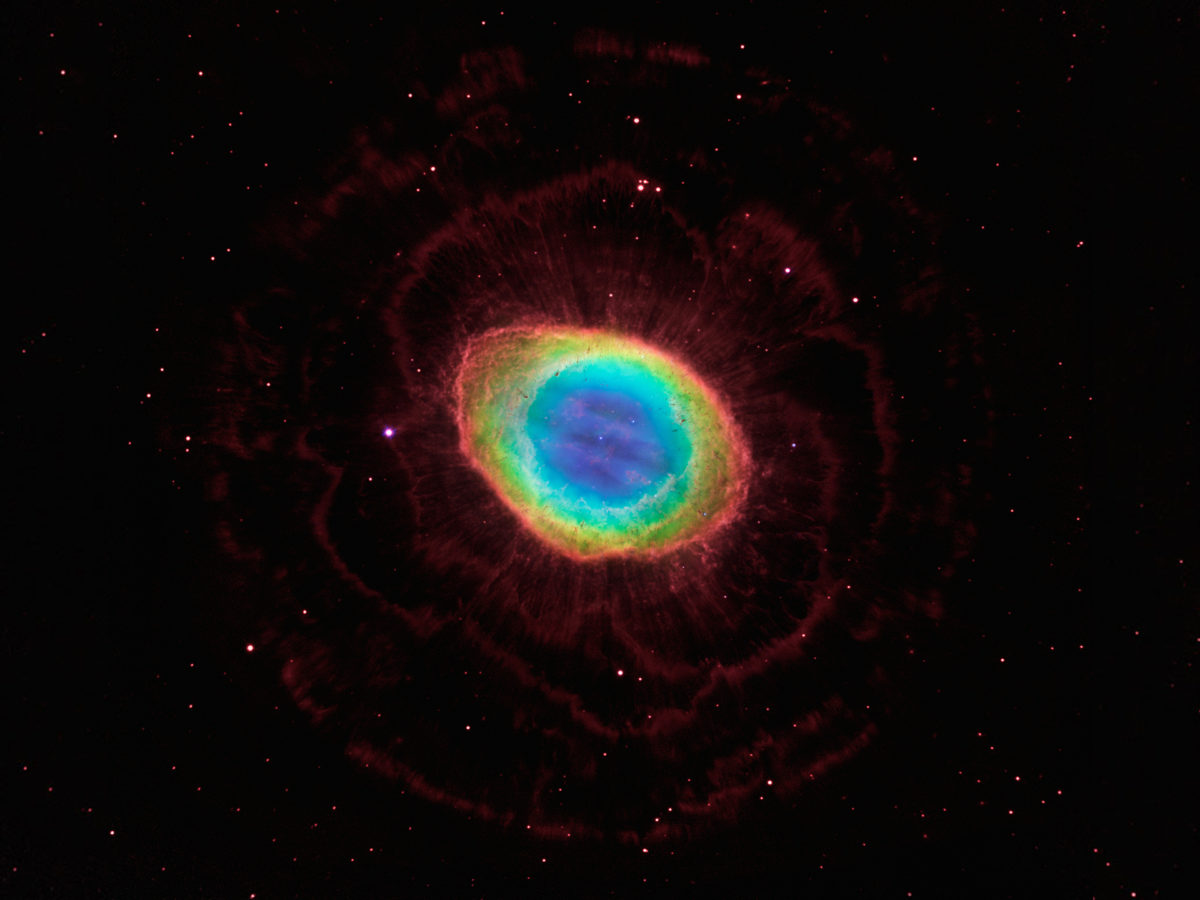
Feature image is of the Ring Nebula, NGC6720, M57.
‘The apparent brightness of an object within the night sky is a term we astronomers call ‘magnitude’ (mag). It is a guide to tell us how faint or bright an object is.’
‘The apparent brightness of an object within the night sky is a term we astronomers call ‘magnitude’ (mag). It is a guide to tell us how faint or bright an object is.’
‘The apparent brightness of an object within the night sky is a term we astronomers call ‘magnitude’ (mag). It is a guide to tell us how faint or bright an object is.’
‘The apparent brightness of an object within the night sky is a term we astronomers call ‘magnitude’ (mag). It is a guide to tell us how faint or bright an object is.’
‘The apparent brightness of an object within the night sky is a term we astronomers call ‘magnitude’ (mag). It is a guide to tell us how faint or bright an object is.’
Looking Closer
Looking Closer
Looking Closer
Looking Closer
Looking Closer
The use of binoculars in astronomy, further improves visual observations, enabling a closer look at the fainter objects in the night sky.
To start, the strength of binoculars that are common are the 10X50 Class, which is 10 times the magnification with 50mm diameter lenses. Commercial models approach the 25X100 Class with image stabilisation or are mounted on a tripod. However, if you are holding the binoculars, stay at or below the 15X70 Class, as every bump or shake will make viewing difficult.
Next to consider is the aperture, as the larger the front lenses are, more light is let in, therefore, fainter objects will become visible. The lens coatings are an optional and preferred manufacturing process that compensate for flaws in the optical paths and do filter certain wavelengths of light, effectively removing colour fringes around the object, creating a crisper image.
Start your observations by looking around at the brighter patches of the Milky Way and you will see mostly open star clusters and a few emission nebulae, then, look at the fuzzy objects that stand apart from it, the globular star clusters. With a star map or a planetarium phone app, you can then start chasing down the immense and incredible objects such as galaxies or nebulae.
The apparent brightness of an object within the night sky is the term known as magnitude (mag), which lets us know how bright an object is, which in turn can be used to determine distance.
Our sun has an Apparent Magnitude of -26.74 and is the brightest object in the sky, second to a full moon with a magnitude of -12.90. Planet Venus has a mag of -4.89, Planet Jupiter at mag -2.94, Planet Mars at mag -2.91, a new moon at mag -2.50, Planet Mercury at mag -2.45, Sirius Star at mag -1.47, Canopus Star at mag -0.72, Planet Saturn at mag -0.49, Alpha Centauri AB Star at mag -0.27, Arcturus Star at mag -0.04, Vega Star at mag +0.03, Andromeda Galaxy at mag +3.44, Planet Jupiter’s Moon Ganymede at mag +4.38, Open Cluster M41 at mag +4.50, Asteroid Vesta at mag +5.20, Planet Uranus at mag +5.32, Spiral Galaxy M33 at mag +5.72 and the Asteroid Pallas at mag +6.49.
This, at mag +6.5, is the faintest of stellar objects that can be seen without viewing aids.
Dwarf Planet Ceres at mag +6.64, Asteroid Iris at mag +6.75, Spiral Galaxy M81 at mag +6.90, Planet Neptune at mag +7.78, Planet Saturn’s Moon Titan at mag +8.10 and Asteroid 10 Hygiea at mag +8.94.
This, at mag +9.5, is the faintest of stellar objects that can be seen with 7×50 binoculars.
Now for a list of what to chase down:
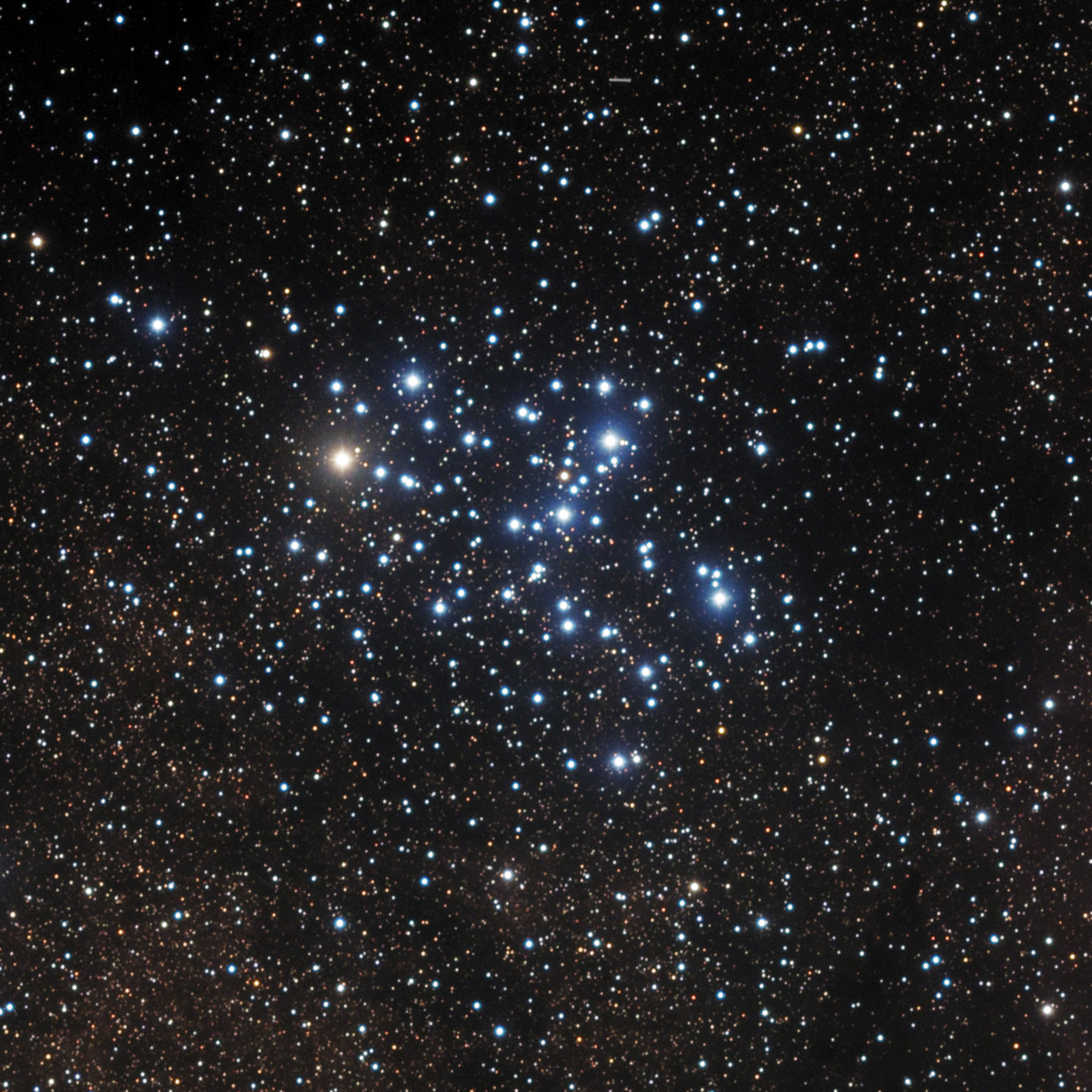
Butterfly Cluster, M6 (mag +5.5)
Open Cluster of Stars, 1,600 Light Years away.
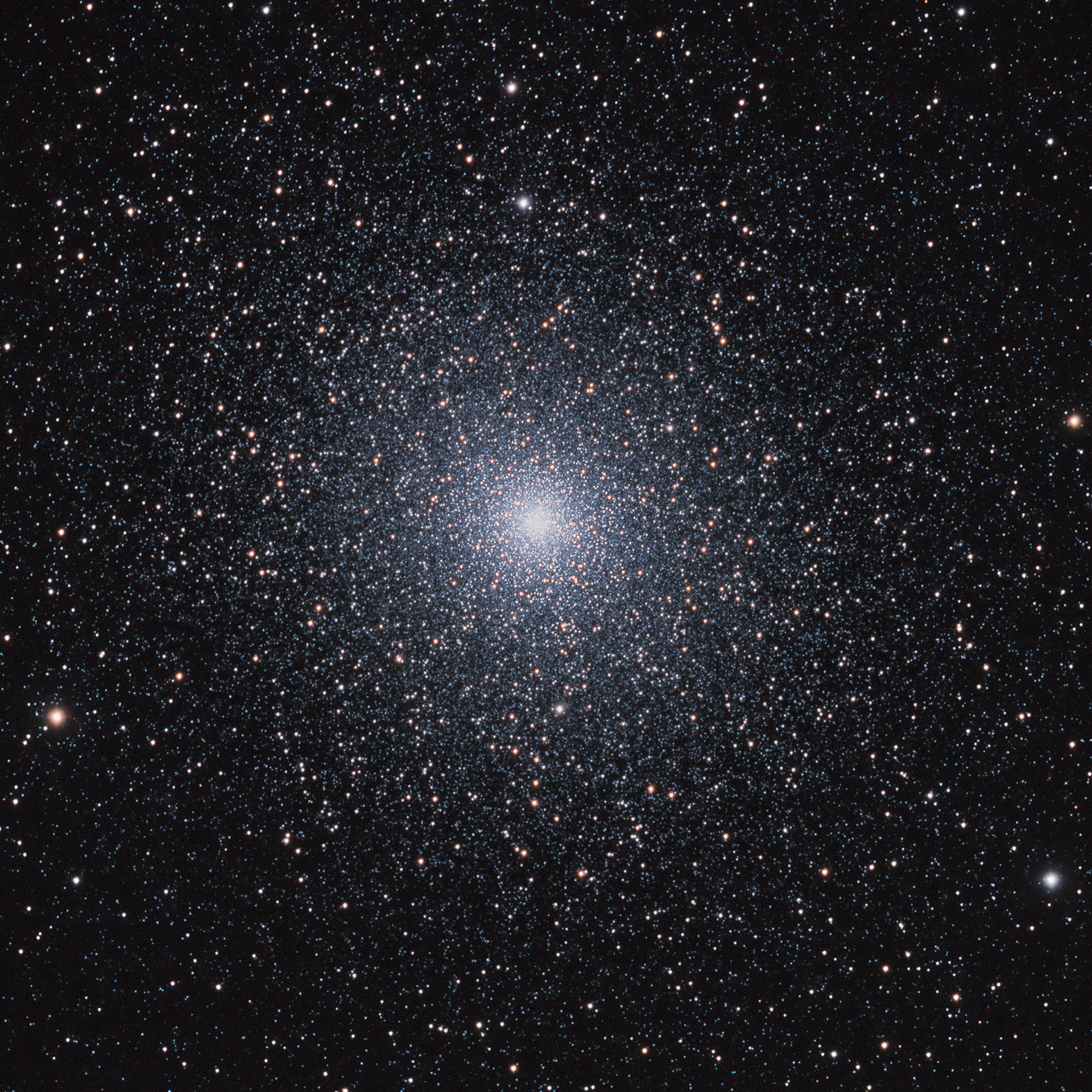
47 Tucanae, NGC104 (mag +4.09)
Globular Cluster in Tucana Constellation, 13,050 Light Years away.
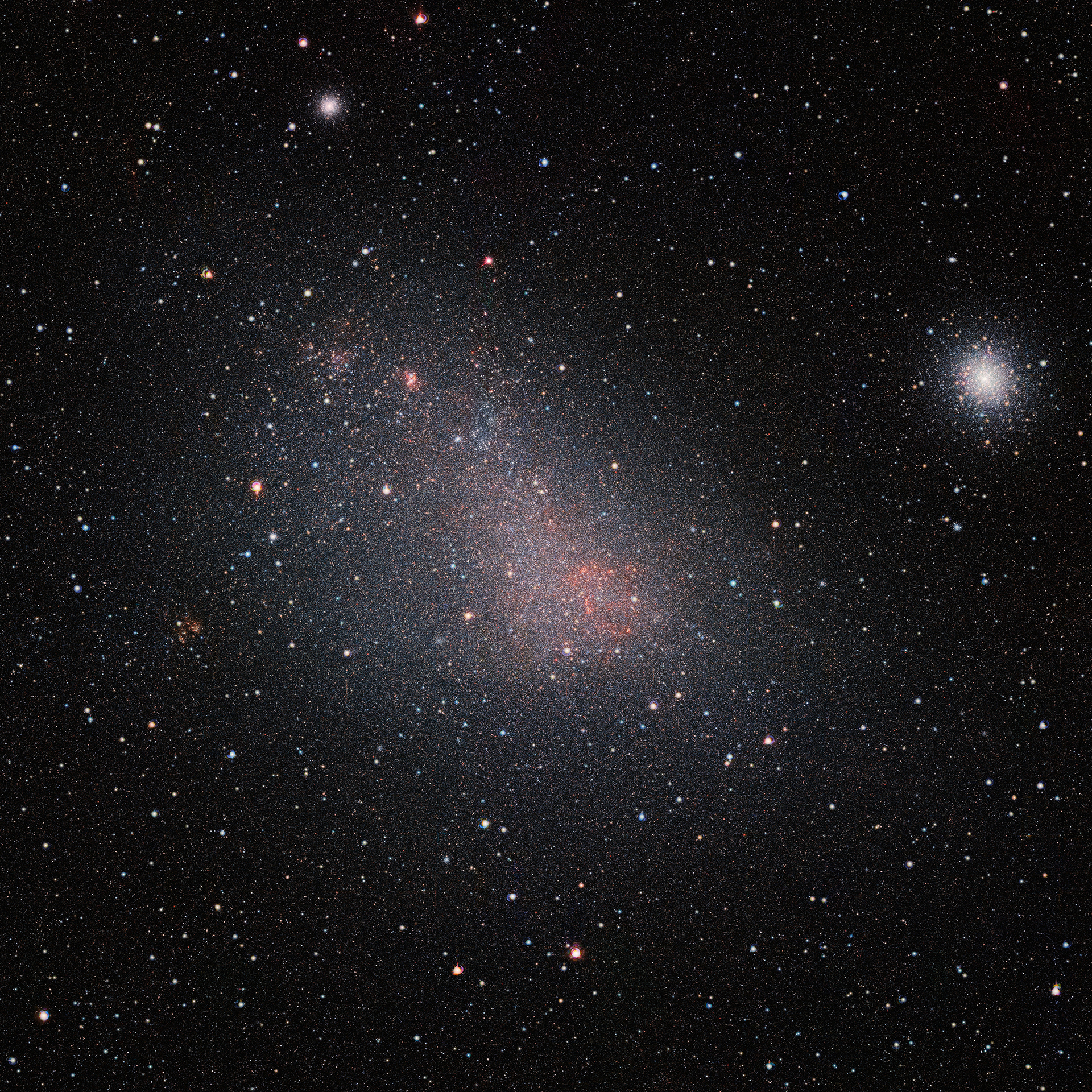
Small Magellanic Cloud, NGC292 (mag +2.70)
Satellite Dwarf Galaxy, 200,000 Light Years away.
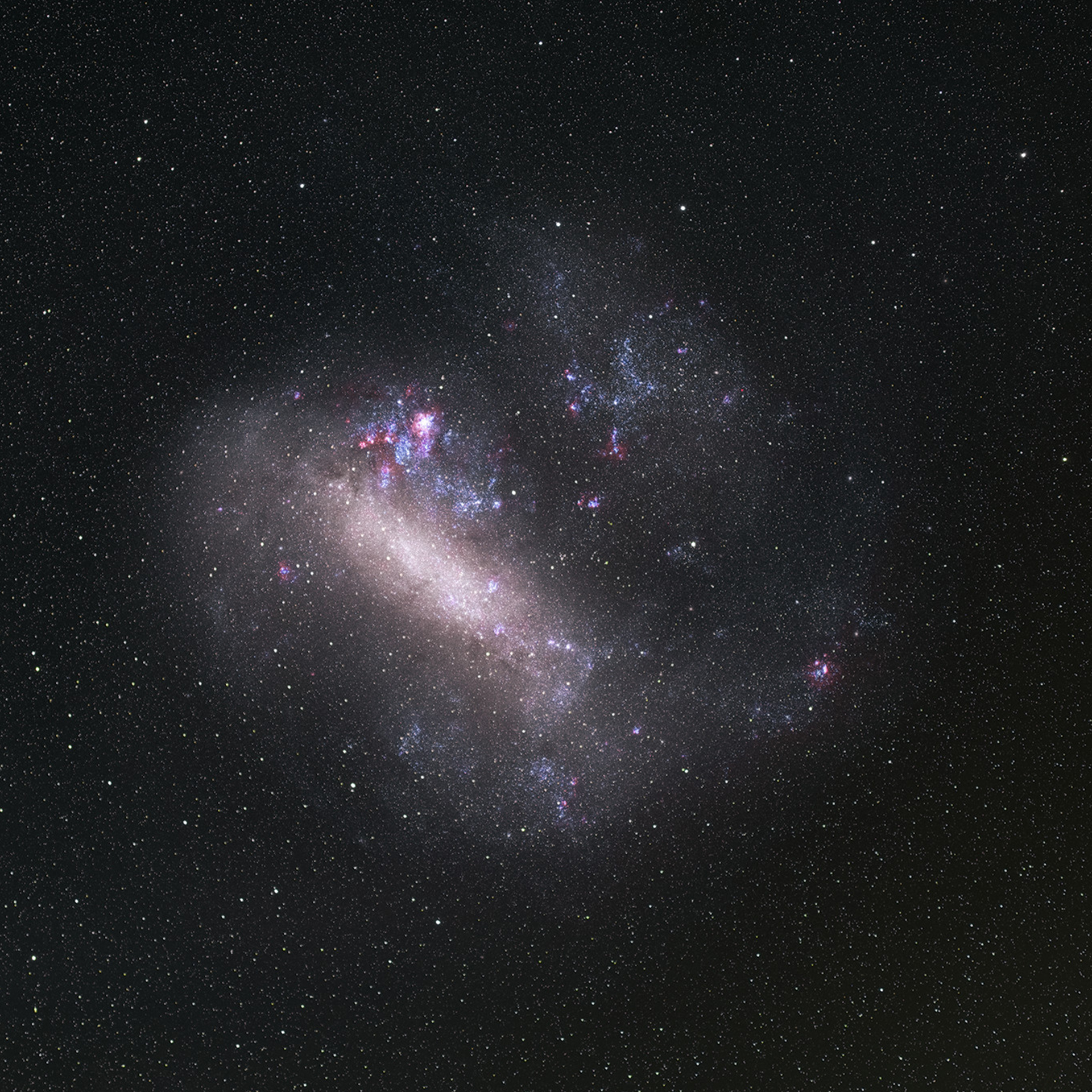
Large Magellanic Cloud, PGC17223 (mag +0.9)
Satellite Galaxy, 162,000 Light Years away.
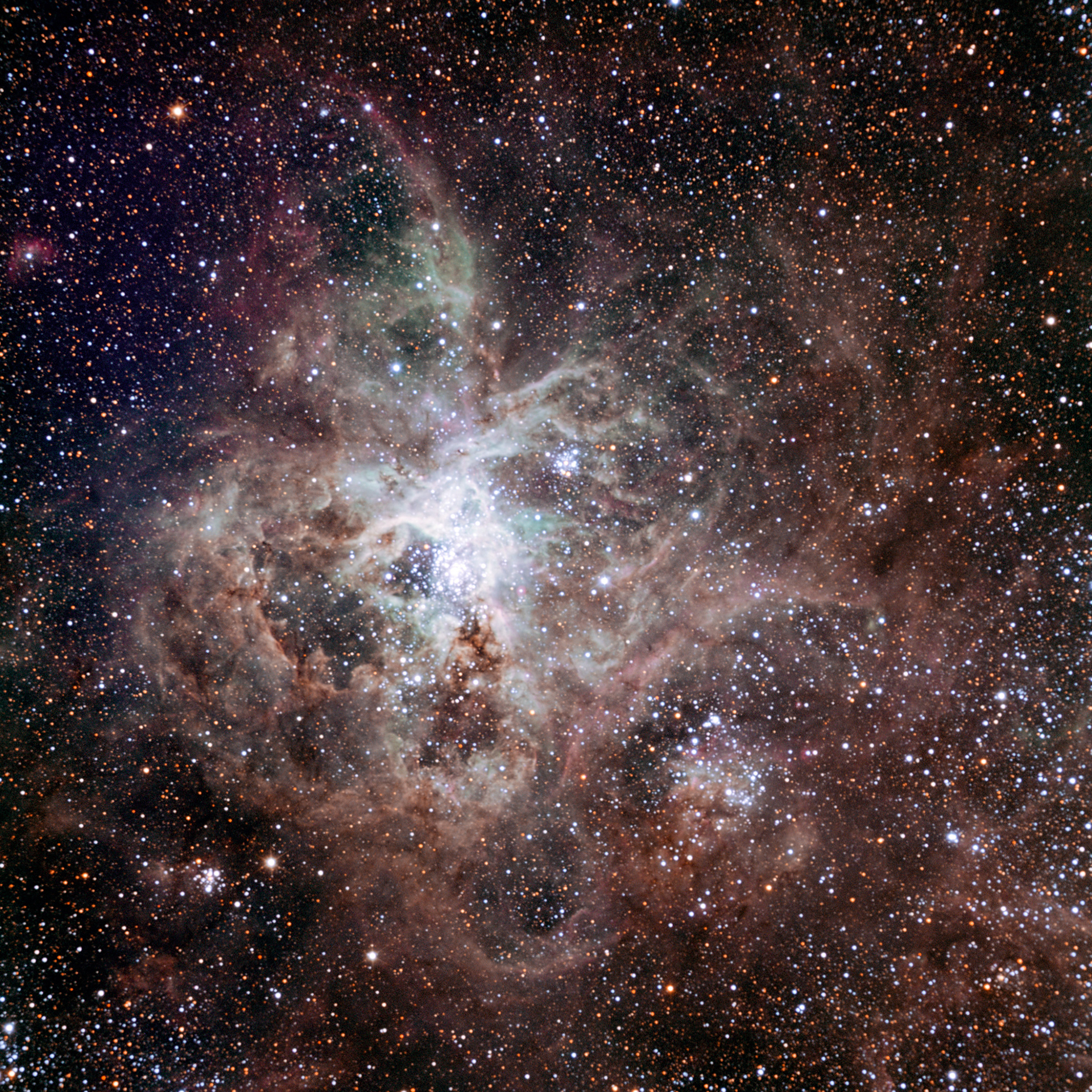
Tarantula Nebula, NGC2070 (mag +8.0)
Diameter of 652 Light Years, 159,800 Light Years away.
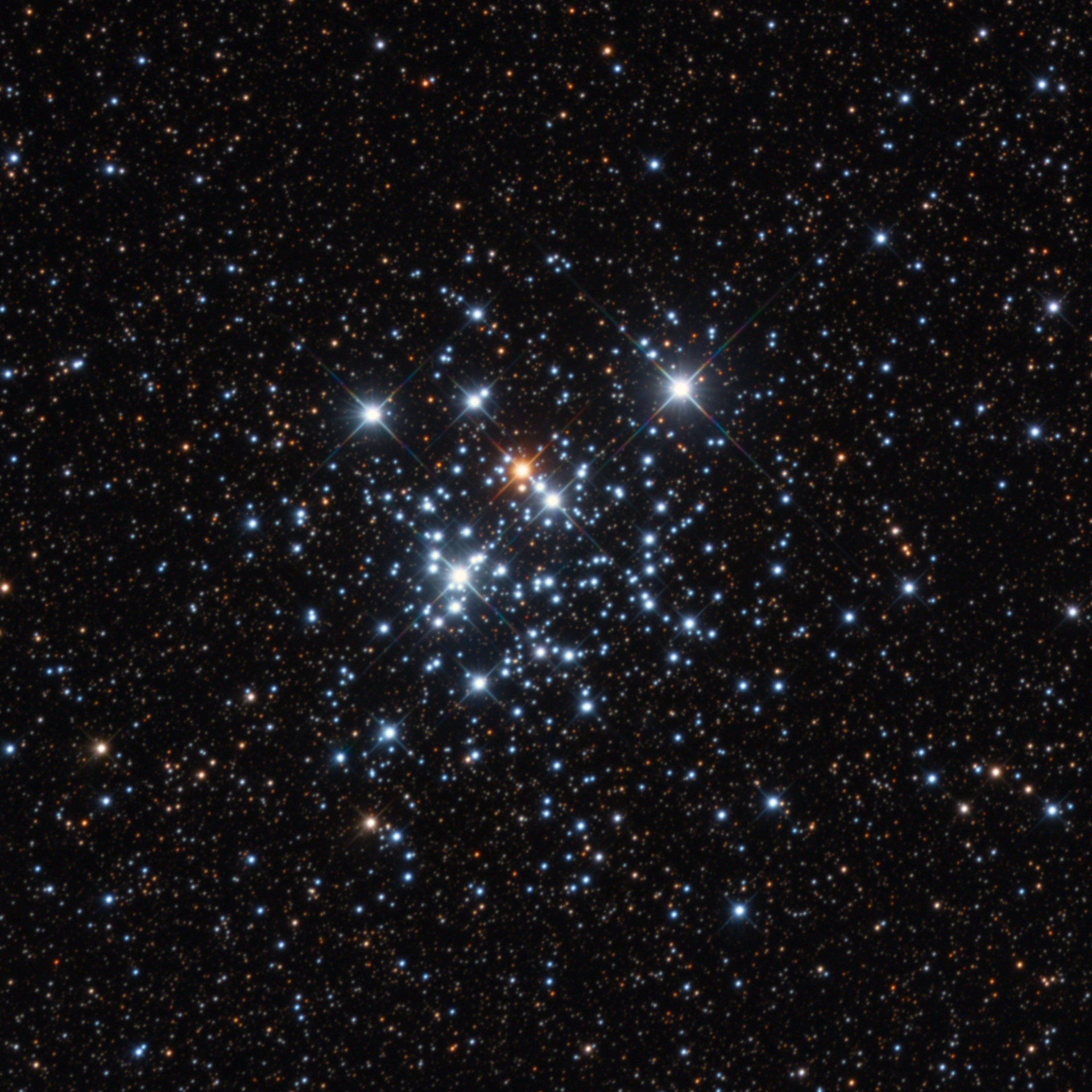
Jewel Box Star Cluster, NGC4755 (mag +4.2)
Open Cluster of 100 Stars, 3 colours, 6,440 Light Years away.
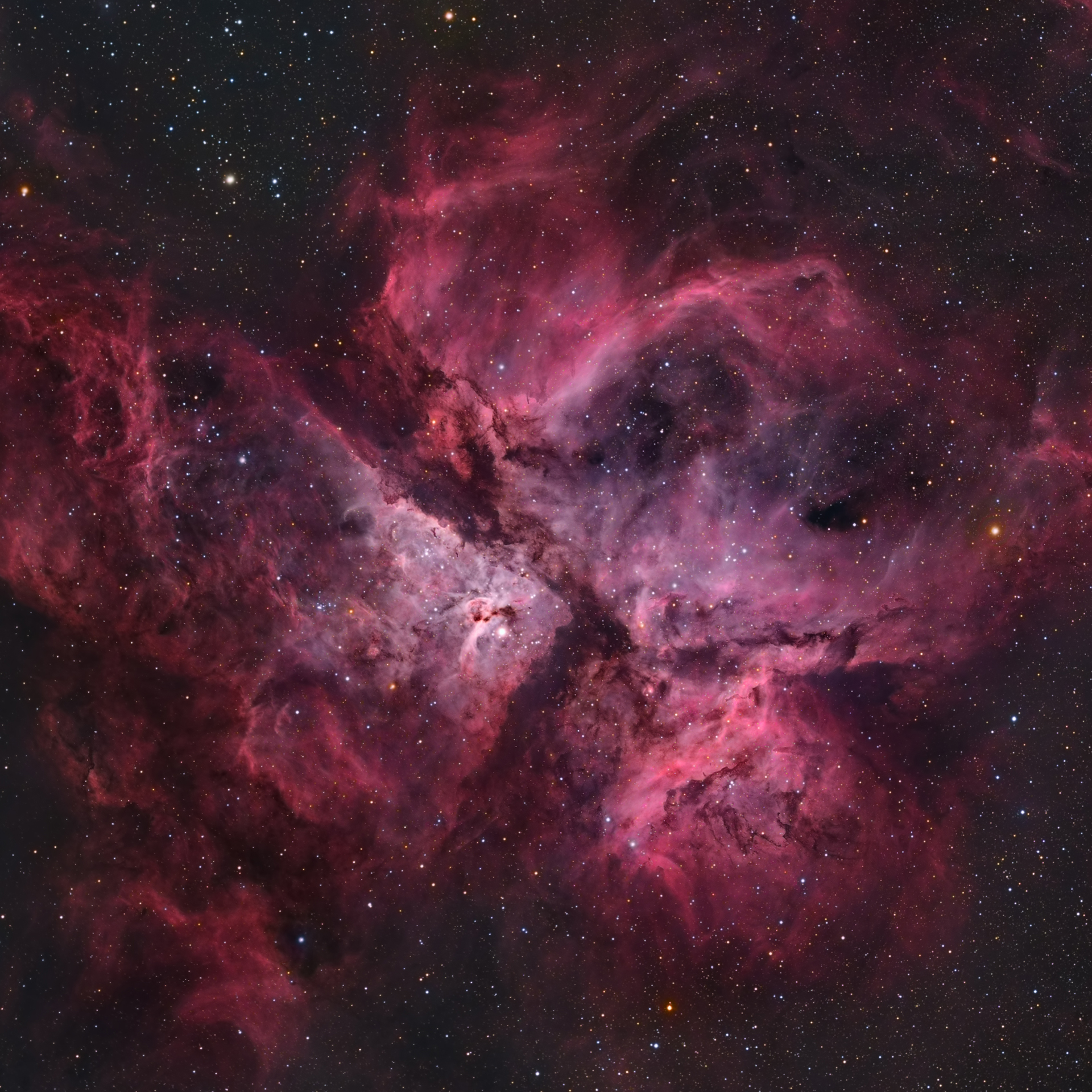
Eta Carinae Nebula, NGC3372 (mag +1.0)
Diameter of 652 Light Years, 6,500 Light Years away.
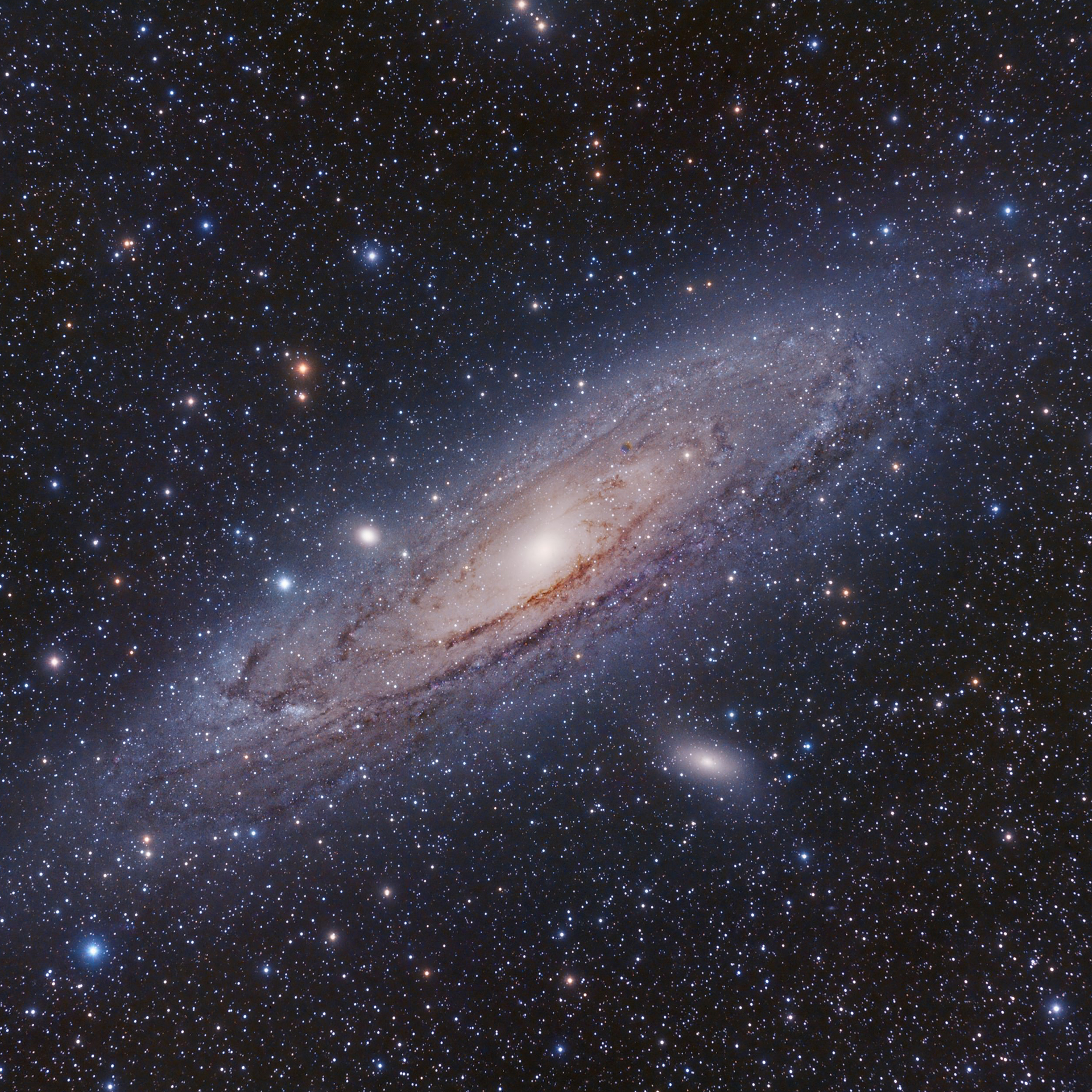
Andromeda Galaxy, NGC224, M31 (mag +3.4)
Spiral Galaxy, 2,500,000 Light Years away.
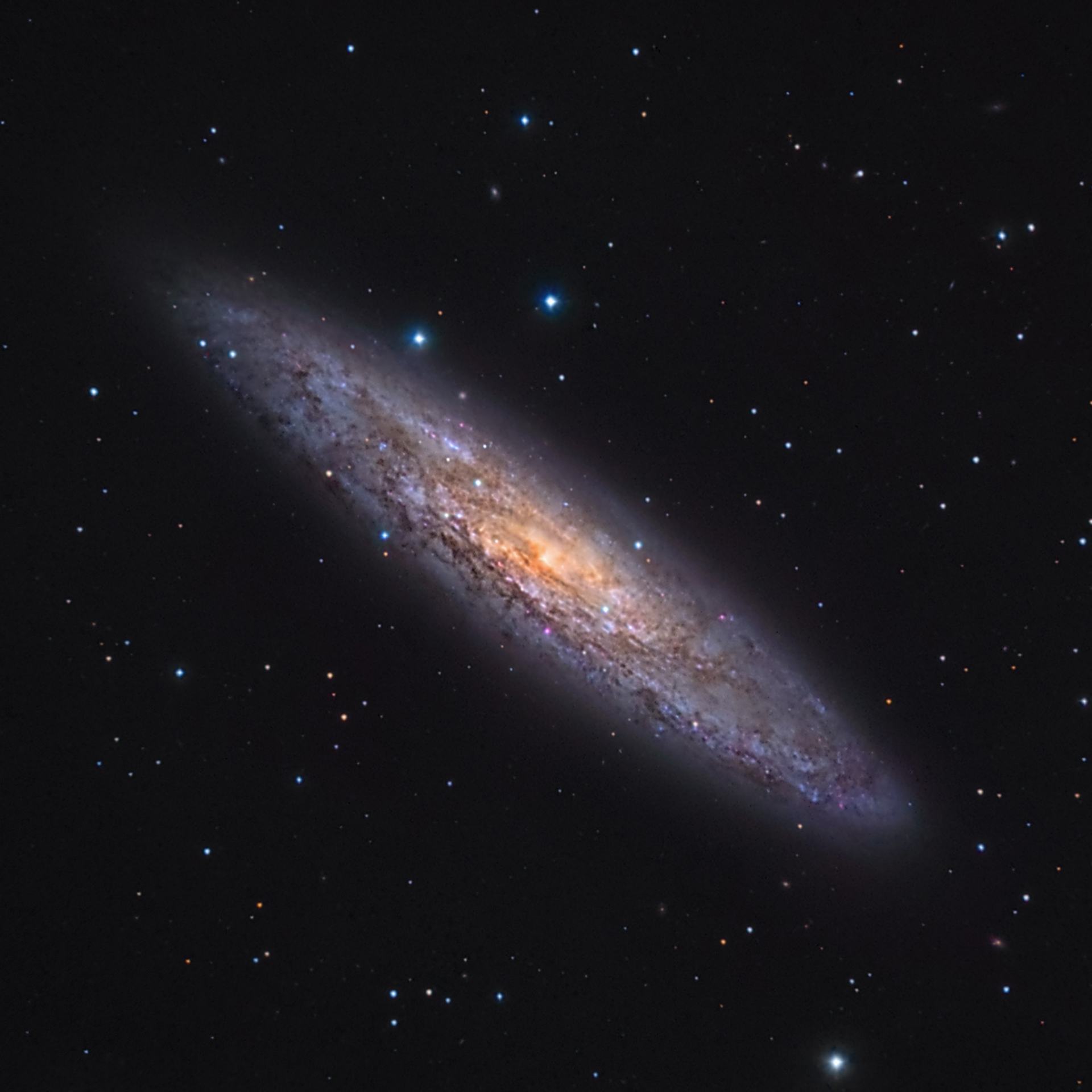
Sculptor Galaxy, NGC253 (mag +8.0)
Spiral Galaxy, 11.42 Million Light Years away.
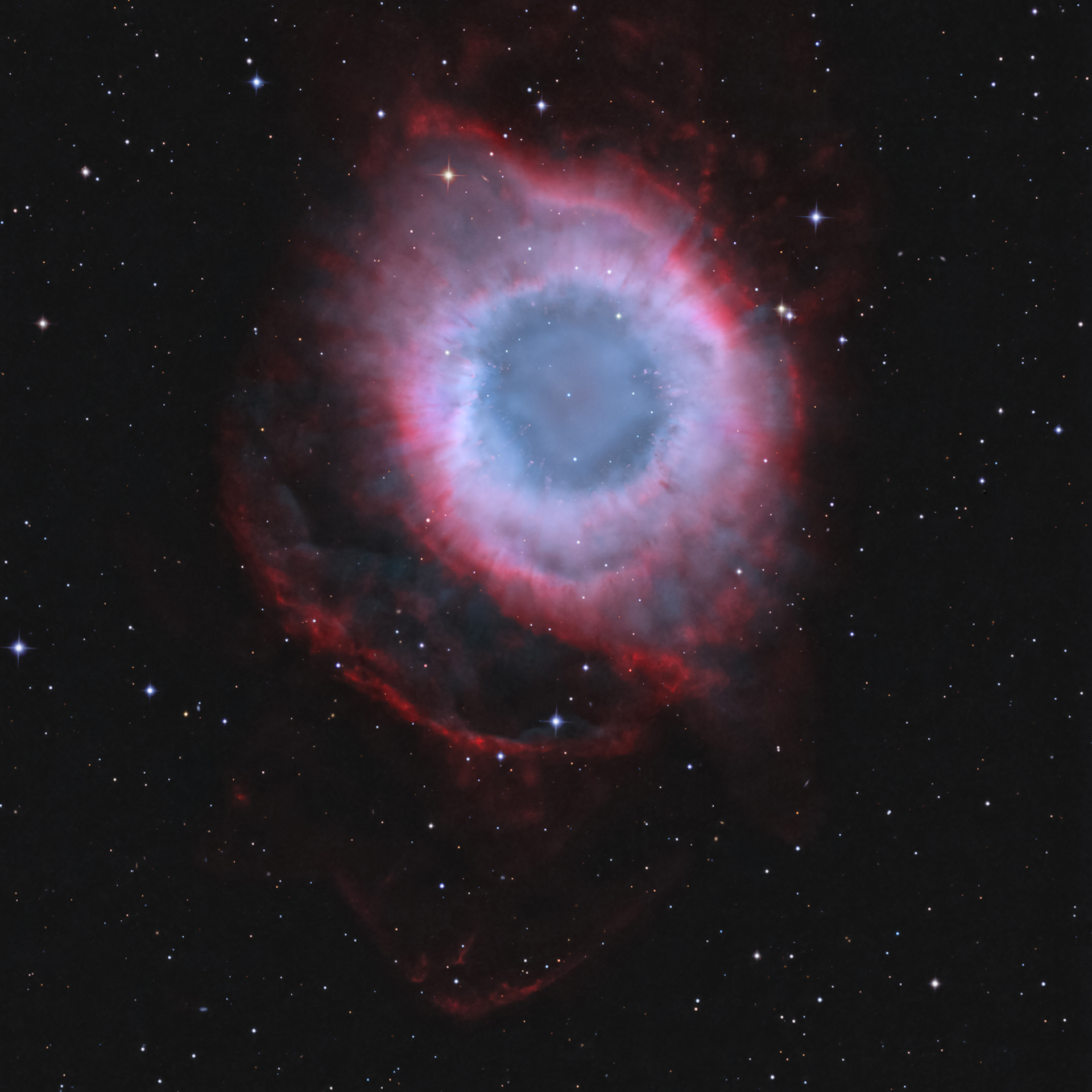
Helix Nebula, NGC7293 (mag +7.6)
Planetary Nebula, 700 Light Years away.
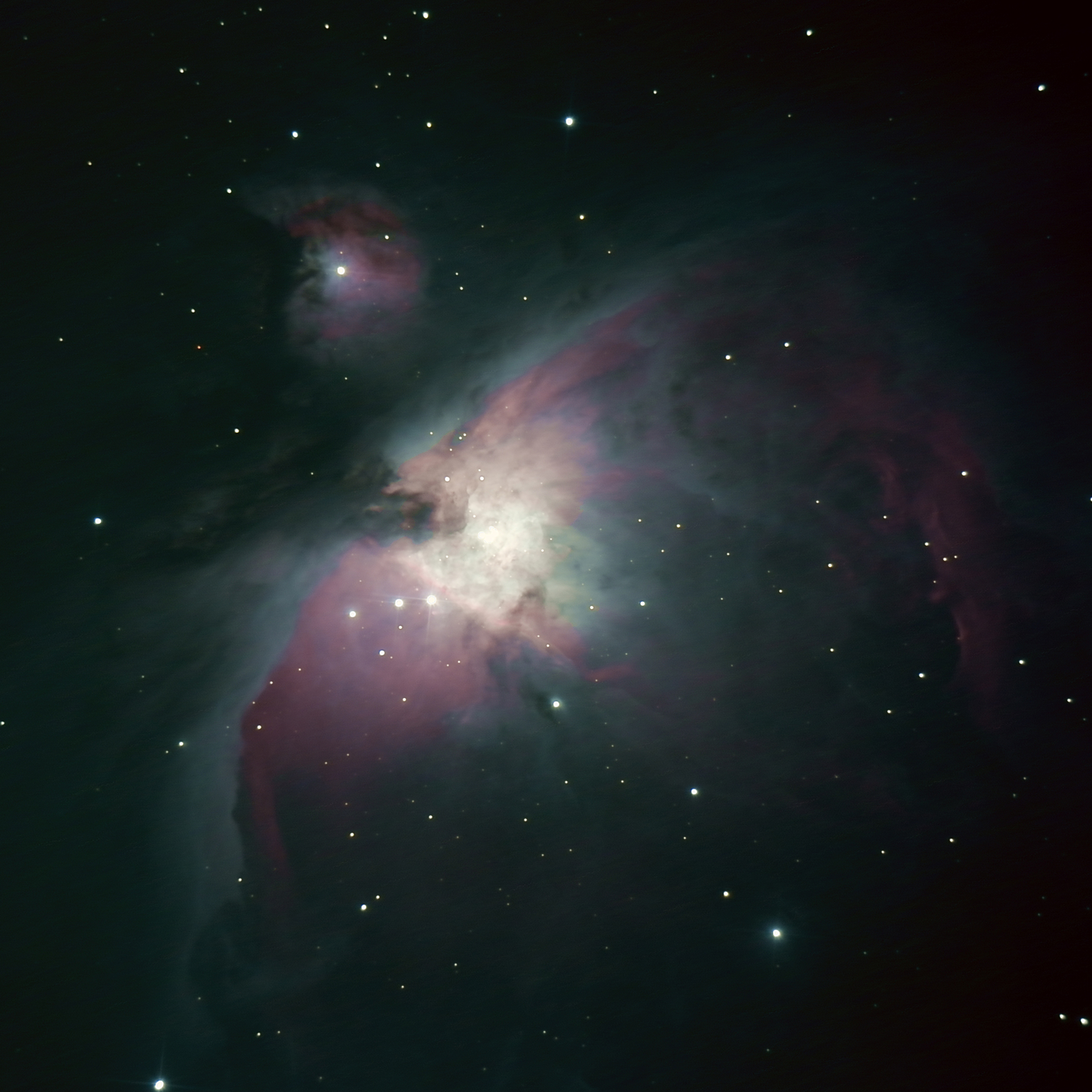
Orion Nebula, NGC1976, M42 (mag +4.0)
Diffuse Nebula, 1,344 Light Years away.
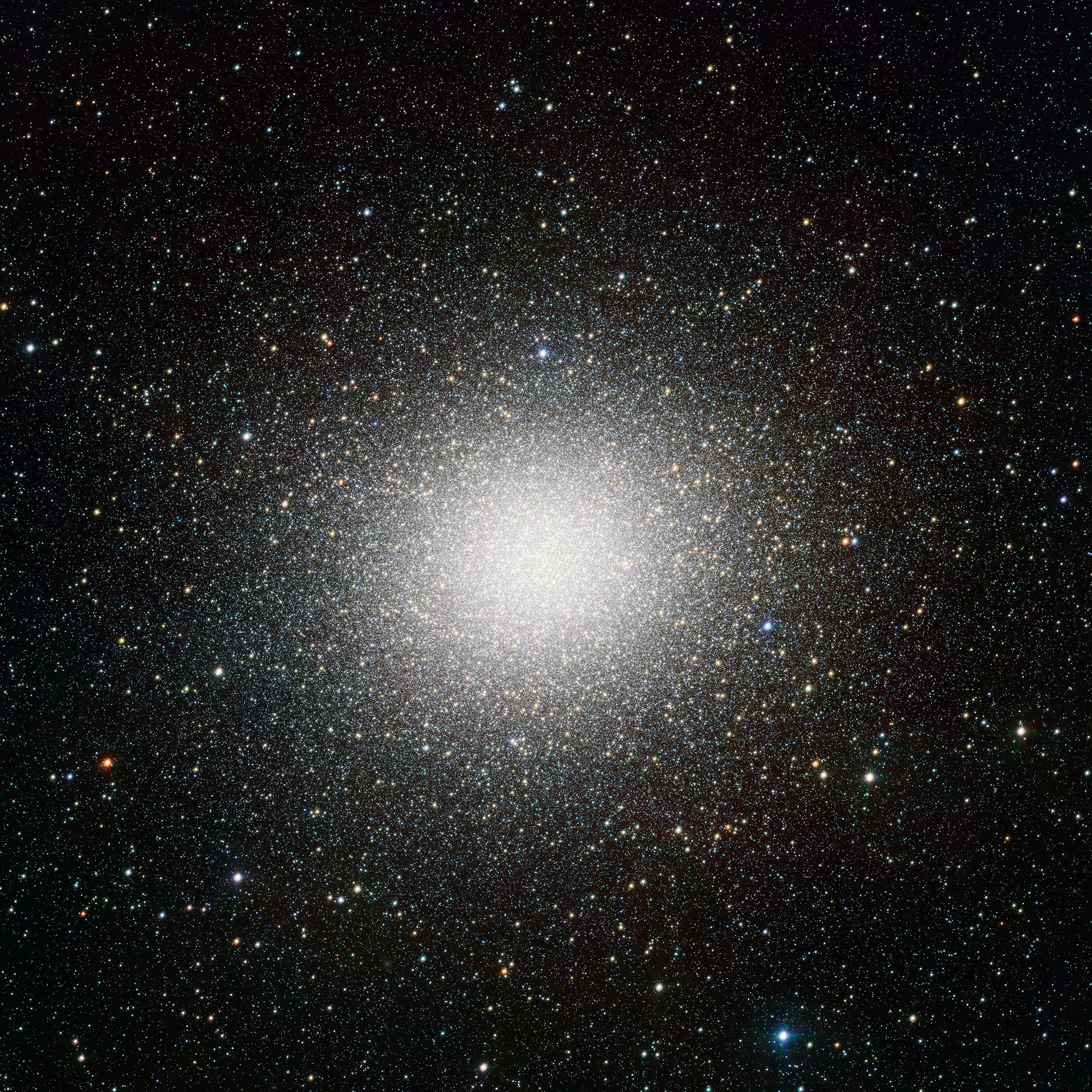
Omega Centauri, NGC5139 (mag +3.9)
Global Cluster of 10 million stars, 15,800 Light Years away.