Paul Loveday
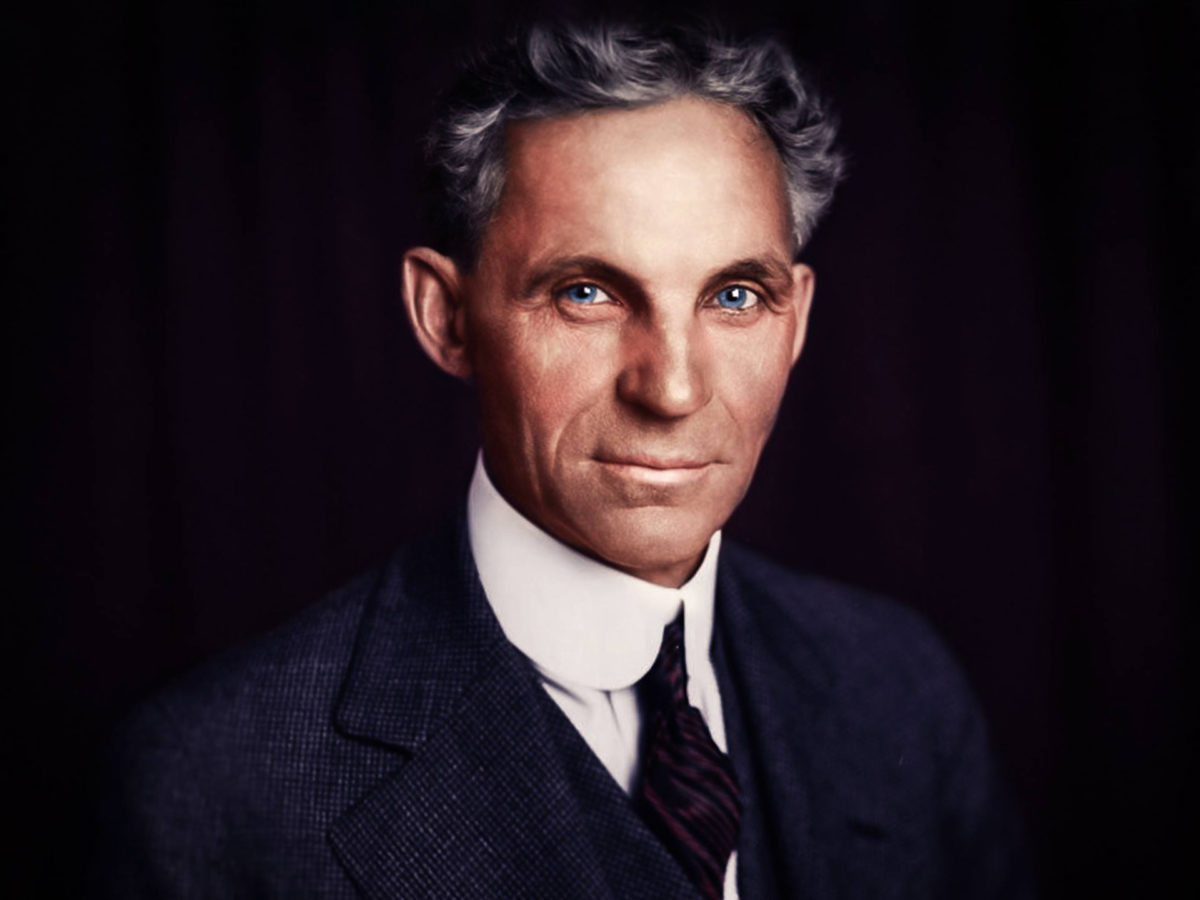
Feature image is of Mr Henry Ford.
‘Planting A Shade Tree Under Which You Will Never Sit.’
‘Planting A Shade Tree Under Which You Will Never Sit.’
‘Planting A Shade Tree Under Which You Will Never Sit.’
‘Planting A Shade Tree Under Which You Will Never Sit.’
‘Planting A Shade Tree Under Which You Will Never Sit.’
Helping Someone You Don’t Know
Helping Someone You Don’t Know
Helping Someone You Don’t Know
Helping Someone You Don’t Know
Helping Someone You Don’t Know
Success leaves clues – and so does failure! Anyone who’s been in business for any length of time should recognise the absolute truism of that leading statement. While it is true of business, it is also true of just about any form of human endeavour.
If we learn to recognise the clues, we can save ourselves a good deal of heartache in the future. In this article, we’ll mostly stay positive and concentrate on some of the traits of the winners.
If you study the really successful business people, you will find one thing they almost all have in common and that is their inherent generosity. I say, “almost all” because there have been a few billionaires whose miserly ways are the stuff of legends; I’ll tell you about one of those a bit later.
Henry Ford famously said he couldn’t give his money away; the more he gave away the more it flooded back in, with interest. He regularly gave away more that 30% of his income and one might say that if you have an income of $10 million per year, you can give away $3 million and still live very comfortably on the remaining $7 million! However, long before Ford was a multimillionaire, he was in the habit of giving generously to those in need.
Mr Ford disliked charities, he would rather give money directly to a family on hard times and always with the proviso that his gift should remain anonymous. He never asked for the money to be paid back but suggested the family receiving his help should help another family when they got back on their feet. In Australia, the late Kerry Packer adopted a similar philosophy and generosity.
Ultimately, Ford despaired of ever being able to give away his wealth and even though he disliked charities, he and his son Edsel, set up the Ford Foundation in 1936. Today, the Ford Foundation has in excess of $10 billion in assets and distributes more than $400 million annually.
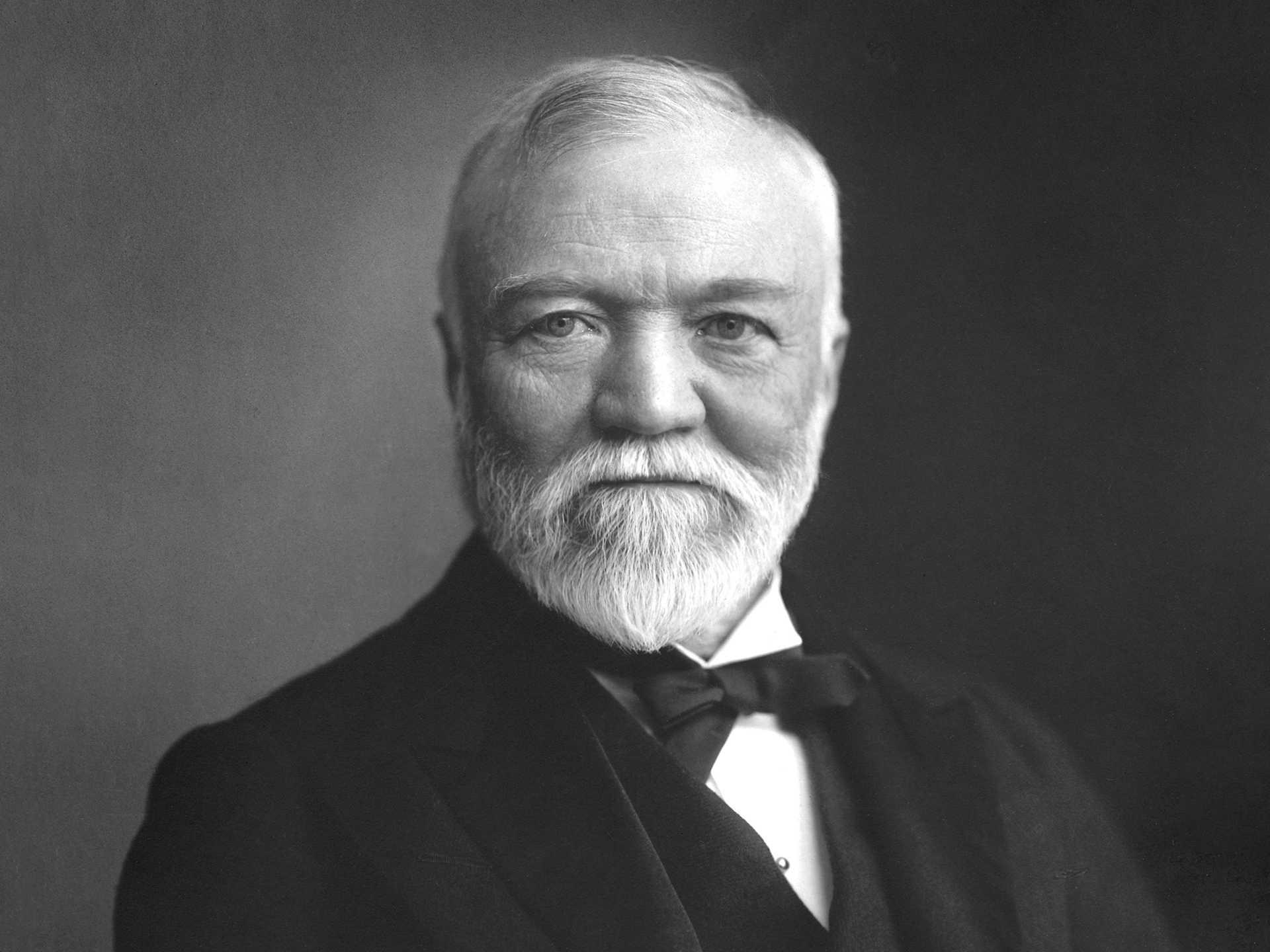
Another famous American industrialist with philanthropic inclinations was Andrew Carnegie. Carnegie was a Scottish American who founded the mighty US Steel Company that he sold to JP Morgan in 1901 for $78 billion, in today’s figures.
As early as 1868, at age 33, Carnegie drafted a memo to himself. He wrote, “…The amassing of wealth for its own sake is the worst kind of idolatry. No idol is more debasing than the worship of money.” In order to avoid degrading himself, he wrote in the same memo that he would retire at age 35 to pursue the practice of philanthropic giving, because “…the man who dies rich dies disgraced.” He was true to his word; by the time of his death he had donated 90% of his wealth to a plethora of charities and educational institutions.
Like Henry Ford, Carnegie started young with philanthropy and kept it up his entire life. And like Ford, he would not live to see some of his greatest donations reach their ultimate maturity. This is what is meant by planting a shade tree under which you will never sit.
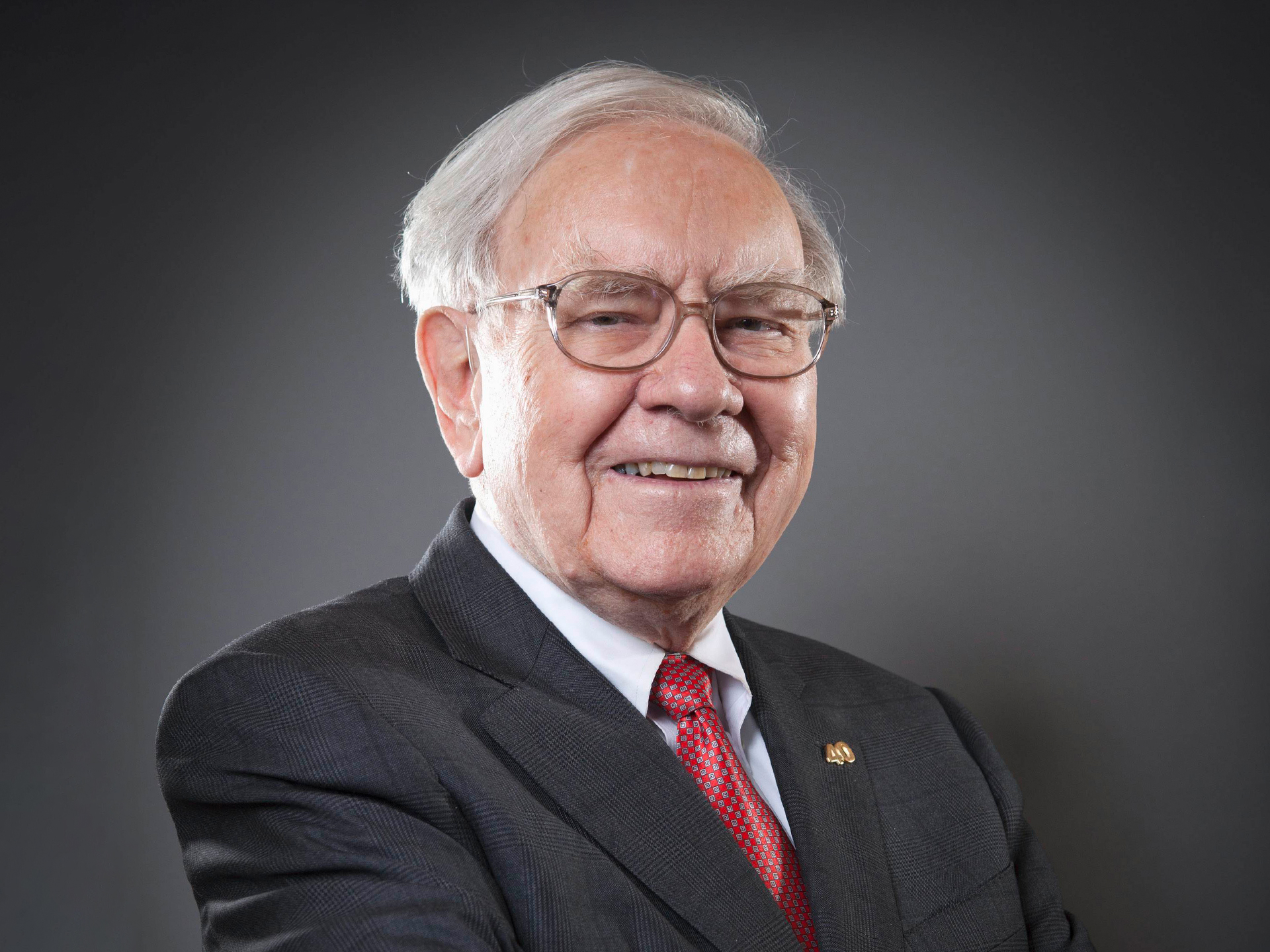
In more recent times we have seen Bill Gates and Warren Buffett (combined wealth exceeding $150 billion) join forces to create one of the largest philanthropic foundations ever seen. In an interesting aside, Warren Buffet, who is worth approximately $50 billion, has left each of his children only $10 million dollars in his will. He says, if they can’t make it on $10 million, they’ll never make it!
I told you I would tell you a story of a mean billionaire – see what you think of this: J. Paul Getty was a fabulously rich oil billionaire ($18.5 billion) in the 1960s and 70s. He had a pay phone installed in the foyer of Sutton Place, his British mansion, helping to seal his reputation as a miser. In his autobiography, he described his reasons:
“Now, for months after Sutton Place was purchased, great numbers of people came in and out of the house. Some were visiting businessmen. Others were artisans or workmen engaged in renovation and refurbishing. Still others were tradesmen making deliveries of merchandise. Suddenly, the Sutton Place telephone bills began to soar. The reason was obvious. Each of the regular telephones in the house has direct access to outside lines and thus to long-distance and even overseas operators. All sorts of people were making the best of a rare opportunity. They were picking up Sutton Place phones and placing calls to girlfriends in Geneva or Georgia and to aunts, uncles and third cousins twice-removed in Caracas and Cape Town. The costs of their friendly chats were, of course, charged to the Sutton Place bill.”
Getty placed dial-locks on all the regular telephones, limiting their use to authorised staff and the coin-box telephone was installed for others. When speaking in a televised interview in 1963, Getty said that he thought guests would enjoy using a payphone. It is estimated the total annual cost of the unauthorised calls would have amounted to less than five minute’s worth of annual income to the billionaire.
Maybe it’s easy for billionaires to be lavish with their money but what about the rest of us. Would it really be an impossible stretch to give $50 or $100 to someone who really needs it and tell them you don’t want it back. Instead, tell them to help someone else when they are able. It’s called paying it forward and it is a philosophy that it being embraced by more and more people around the world.
If you really want to give something of immense value, how about giving some of your time to a charity or perhaps a school or hospital that relies on volunteer support. There is something very interesting about time; even though time is recognised as the most valuable commodity in the world, every day the poorest person in the world will be allocated exactly the same amount of time as the richest. And everyone’s time bank is automatically topped up every twenty-four hours regardless of how foolishly they may have wasted the previous twenty-four hours.
Maybe you don’t have any spare time or a spare $100; how about committing a few acts of random kindness on complete strangers. It will create a ripple effect that could endure for years.
And, don’t worry, the universe has a way of making sure you are repaid – it may not be in money but something worthwhile is definitely coming your way if you embrace this simple philosophy.
If you would like to be more involved, you’ll find more at: payitforwardday.com

Bill Gates
Andrew Carnegie
Warren Buffett