Dr Kathy Townsend
‘Toxic Winds outlines the problems with Ocean Pollution and the devastating effects that this has on marine life.’
‘Toxic Winds outlines the problems with Ocean Pollution and the devastating effects that this has on marine life.’
‘Toxic Winds outlines the problems with Ocean Pollution and the devastating effects that this has on marine life.’
‘Toxic Winds outlines the problems with Ocean Pollution and the devastating effects that this has on marine life.’
‘Toxic Winds outlines the problems with Ocean Pollution and the devastating effects that this has on marine life.’
Marine Debris
Marine Debris
Marine Debris
Marine Debris
Marine Debris
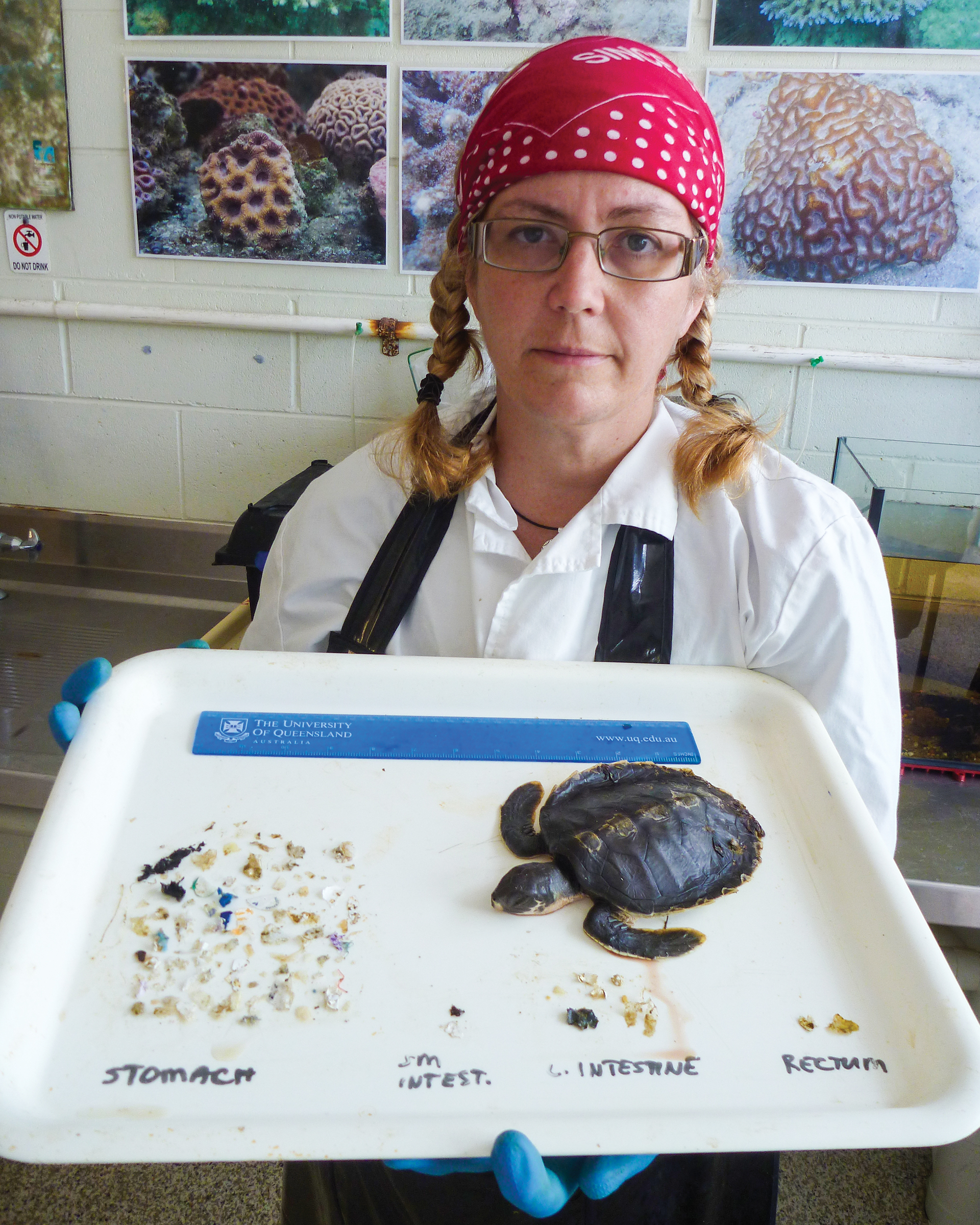
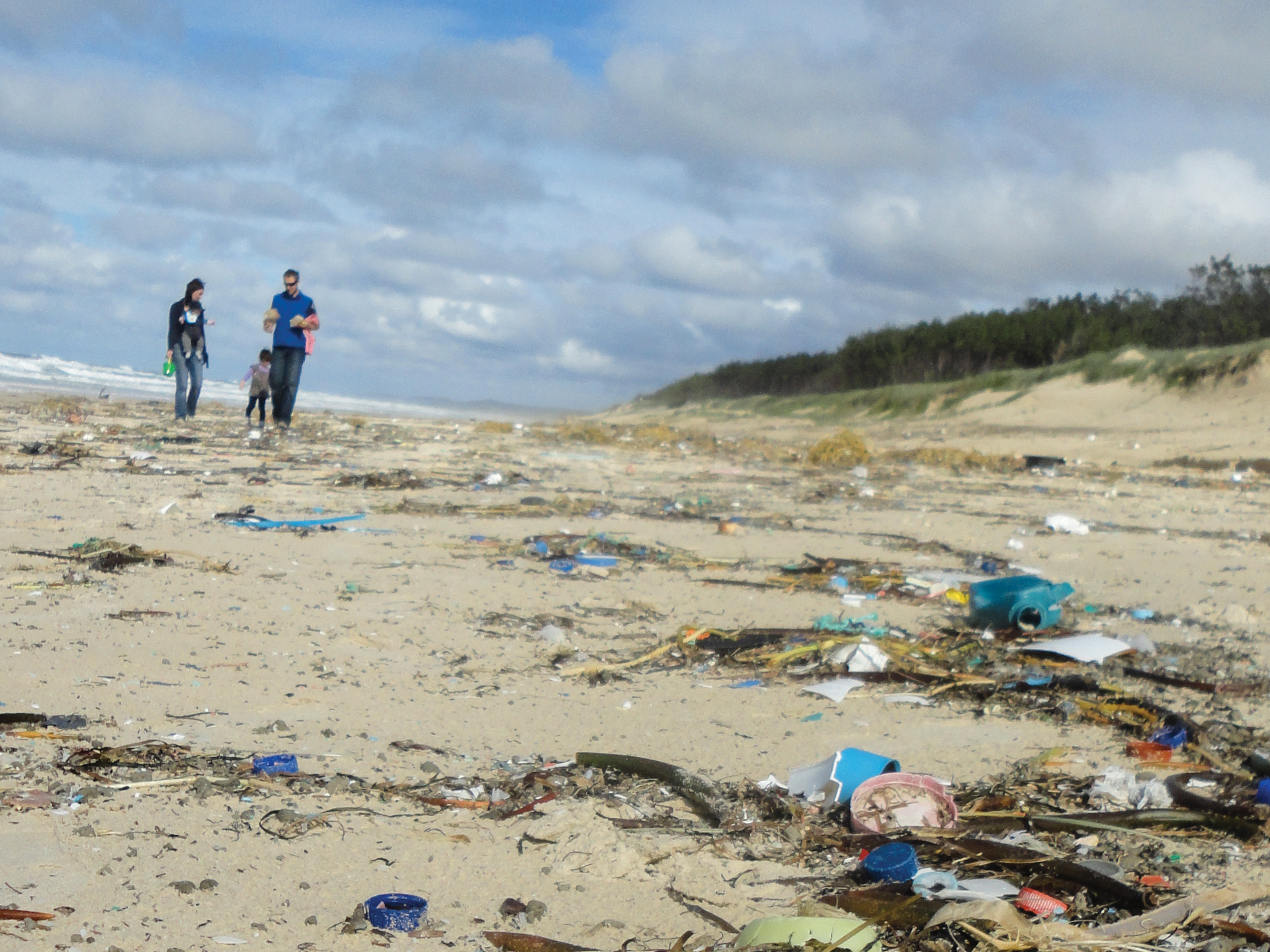
It had been a week of wild easterly winds, blowing directly onto North Stradbroke Island’s seaward beaches. Marine debris, thrown up by the big seas, stretched as far as the eye could see. Amongst the plastic bottles, lost fishing gear and colourful bits of plastic, were dead seabirds and two tiny dead “lost year” turtles. Outwardly they appeared fine, if just a bit skinny. However, when the animals were brought back to Moreton Bay Research Station for a full necropsy, the reason for their emaciated state soon became apparent. Their stomachs were full of marine debris, a mixture of the same items that were seen washed up on the beach – rope, bits of degraded plastic, duct tape, balloons and shredded plastic bags. Items that took up space in the guts of the weakened animals, leaving less room for food, causing blockages, or in some cases, gut perforations.
But why should animals that spend most of their time feeding in the open oceans, away from the populated coastlines, be affected by marine debris? The harsh reality is that decades of dumping and run off into our seas are taking its toll and we are starting to fill what was thought to be “unfillable”.
The majority of the floating debris washes from the land and is concentrated by winds, tides, and currents into oceanic features such as eddies and gyres. These highly productive areas concentrate not only on marine debris, but also potential prey items – ranging from microscopic plankton and floating algal mats, up to baitfish. They act as an oasis in the middle of a blue desert, supporting a complex food web. Sea turtles and sea birds exploit these oases, searching out and feeding within these oceanic equivalents of a restaurant. The problem occurs when the debris is mistakenly consumed as a natural food item.
For both sea birds and sea turtles, it is the younger, naive animals that are more susceptible to death caused by eating marine debris. From our work at Moreton Bay Research Station, we have found that it is the surface feeding post-hatchlings and “lost year” sea turtles that are far more likely to have ingested marine debris (55%) compared to the coastal bottom feeding sub-adults (30%). For sea birds as well, it is the young chicks that are the most heavily impacted. Adult sea birds, such as the Short Tailed Shearwater, will fly many thousands of kilometres out to sea to collect food to feed their chick. However, what they bring back is a mixture of baitfish and plastic debris, causing the chick to starve to death with a full stomach: a stomach literally full of “junk” food.
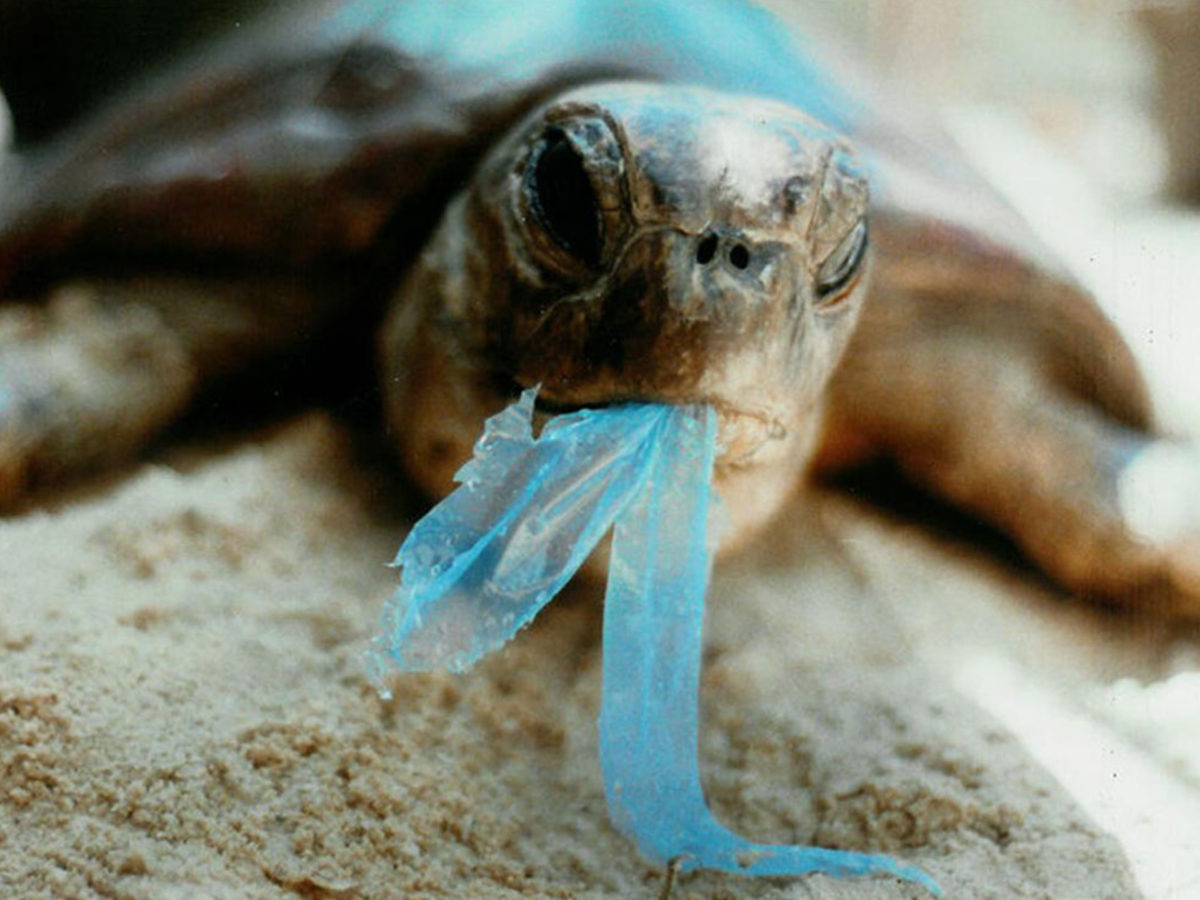
We have also found that not all junk is created equal. By comparing the different types of debris available to the sea turtles and chicks, we have discovered that they preferentially eat balloons and film like plastics, such as plastic bags, bait bags, and cling wrap. Items that look remarkably similar to jelly fish and squid, two of their favourite prey items. How something “looks” is important to sea turtles and sea birds as they are predominately visual predators. They rely heavily on sight when making choices about what they are going to put in their mouths and swallow.
Why are sea turtles so susceptible to injury caused by eating marine debris? Why don’t they just vomit up the offending items, like a pet dog or cat would? For sea turtles, it is all about their anatomy. They have downward facing spines in their throat that reduces their ability to regurgitate and makes them susceptible to gut impaction, a condition that causes paralysis of the gut. Gut impaction can be likened to extreme constipation and one of the symptoms is a build-up of gas that causes them to float. The floating prevents them from diving down to eat, reduces their ability to avoid boats and predators, and makes them susceptible to UV damage and dehydration. Gut impaction is painful and prevents the sea turtle from digesting its food, causing the turtle to slowly starve to death over many months.
The team at Moreton Bay Research Station, alongside a small army of volunteers, non-profit organisations, and scientific colleagues, are doing their bit to understand and quantify the impact that marine debris is having on our marine wildlife. We survey North Stradbroke Island’s beaches and surrounding waters through monthly land, boat and scuba diver based collection and quantification of marine debris. We compare this to what is found within the stomachs of the hundreds of dead, sea turtles and sea birds found stranded on the shores of Moreton Bay. We also provide care for those animals that have arrived on our shores still alive, with several successful rehabilitations having ended with the re-release of the animals back out into the wild.
Gazing down the beach littered with hundreds of kg of marine debris can create an overwhelming sense of hopelessness. It is a global problem that requires cooperation from manufacturers, distributors, governments, and the broader community. However, don’t give up hope; you can still make a powerful impact as an individual. We all know about three “rs” “re-use, reduce, and recycle” but there are two more: “refuse and respond”. “Refuse” plastic items with a very short practical life, for example plastic water bottles, the plastic lids on your coffee cups, plastic bags and items with excessive packaging. If the message is made clear from the consumers, manufacturers and distributors will respond to market pressures. Finally, “respond” to initiatives such as “REEF CHECK AUSTRALIA” or “CLEAN UP AUSTRALIA DAY” and spread the word. Then hopefully, the next time the east wind blows, the beaches will be that much cleaner.
Dr Kathy Townsend is based at The University of Queensland’s Moreton Bay Research Station located on North Stradbroke Island. Her areas of research interest include marine ecology and human impacts on the marine environment. Her two largest research projects include “Project Manta” and “Turtles in Trouble”. You can follow the research conducted by her teams via Facebook pages of the same names or become even more involved by signing up as a volunteer for:
Reef Check Australia: www.reefcheckaustralia.org
or
Clean Up Australia Day: www.cleanupaustraliaday.org.au