Eric Anglès
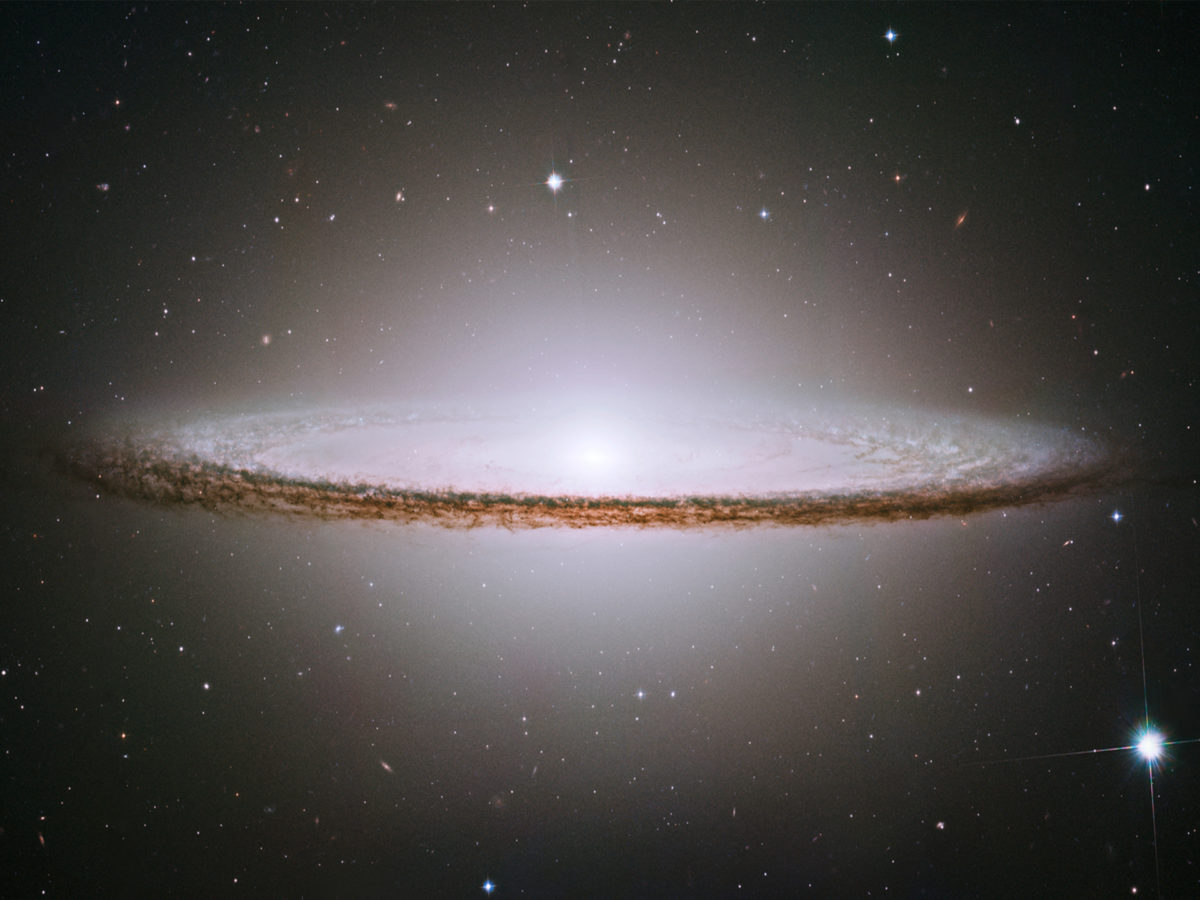
Feature image is of the Sombrero Galaxy, NGC4594, M104.
‘Our very own Milky Way Galaxy spans across 120 thousand light years in diameter.’
‘Our very own Milky Way Galaxy spans across 120 thousand light years in diameter.’
‘Our very own Milky Way Galaxy spans across 120 thousand light years in diameter.’
‘Our very own Milky Way Galaxy spans across 120 thousand light years in diameter.’
‘Our very own Milky Way Galaxy spans across 120 thousand light years in diameter.’
Where to Begin …
Where to Begin …
Where to Begin …
Where to Begin …
Where to Begin …
Astronomy is the science that deals with understanding the material universe, Planets, Moons, Stars, Comets, Meteors, Galaxies, Pulsars, Quasars, Black Holes, Dark Matter, Space and generally, everything beyond the atmosphere of our Earth.
With the aid of visual, binocular, telescopic, radio, spectrographic and photographic astronomy, amateur and professional astronomers continue to look up toward the heavens and gaze back in time to observe the moon at just over a second away, to all objects approaching the birth of our universe, 13.7 billion years ago.
There are many forms of astrophotography, from the short exposures of star constellations and our moon to long exposures to achieve star trails to illustrate the southern or northern celestial poles or to reveal nebulosity throughout our Universe or the galactic core of our Milky Way Galaxy.
Optical photographic options range from the use of a phone or mirrorless camera, cropped or full frame mirrored DSLR camera, through to specific, direct sensor cameras.
The best place to start in astronomy, is to observe our moon, Luna, as it maintains the same lunar face by being locked in synchronous rotation with our Earth and at a quarter of the size of our planet, it is the largest and closest celestial object to image.
Planets reveal themselves as the constant points of light that do not twinkle or move with the stars and are best imaged by stacking and aligning a multitude of individual photographs or video.
Comets, Meteors and Satellites range in size, brightness, orbit, velocity and are easily visible in the first and last two hours of the night, watching them appear and disappear as they traverse through the shadow of the Earth or blink as they rotate to reflect sun light.
Constellations, are symbolic collections of stars that group to form a pattern, marking our location within the universe and the relative location of other stellar objects. A web search will uncover many application aids from star maps, planetariums or planispheres, which are essential in building a road map to understanding the night sky.
Objects that are too dim for the naked eye, require large exposure times as with the Trifid or Cat’s Paw Nebulae at 5,200 to 5,500 light years away, whilst the Andromeda Galaxy exceeds 2.5 billion light years away. Our very own Milky Way Galaxy spans across 120 thousand light years in diameter and contains up to 400 billion stars of which our Sun is one …
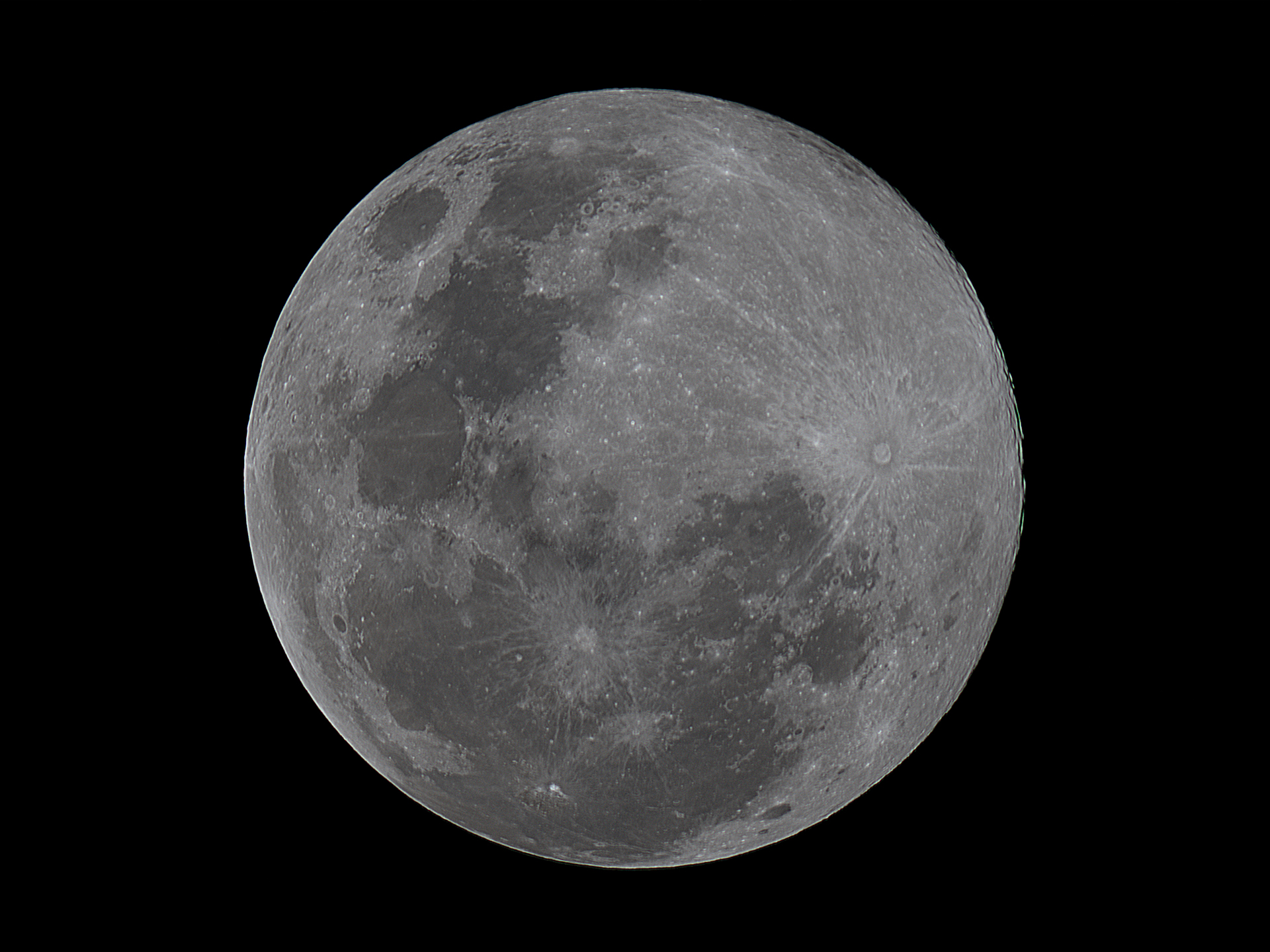
Our Moon, Luna
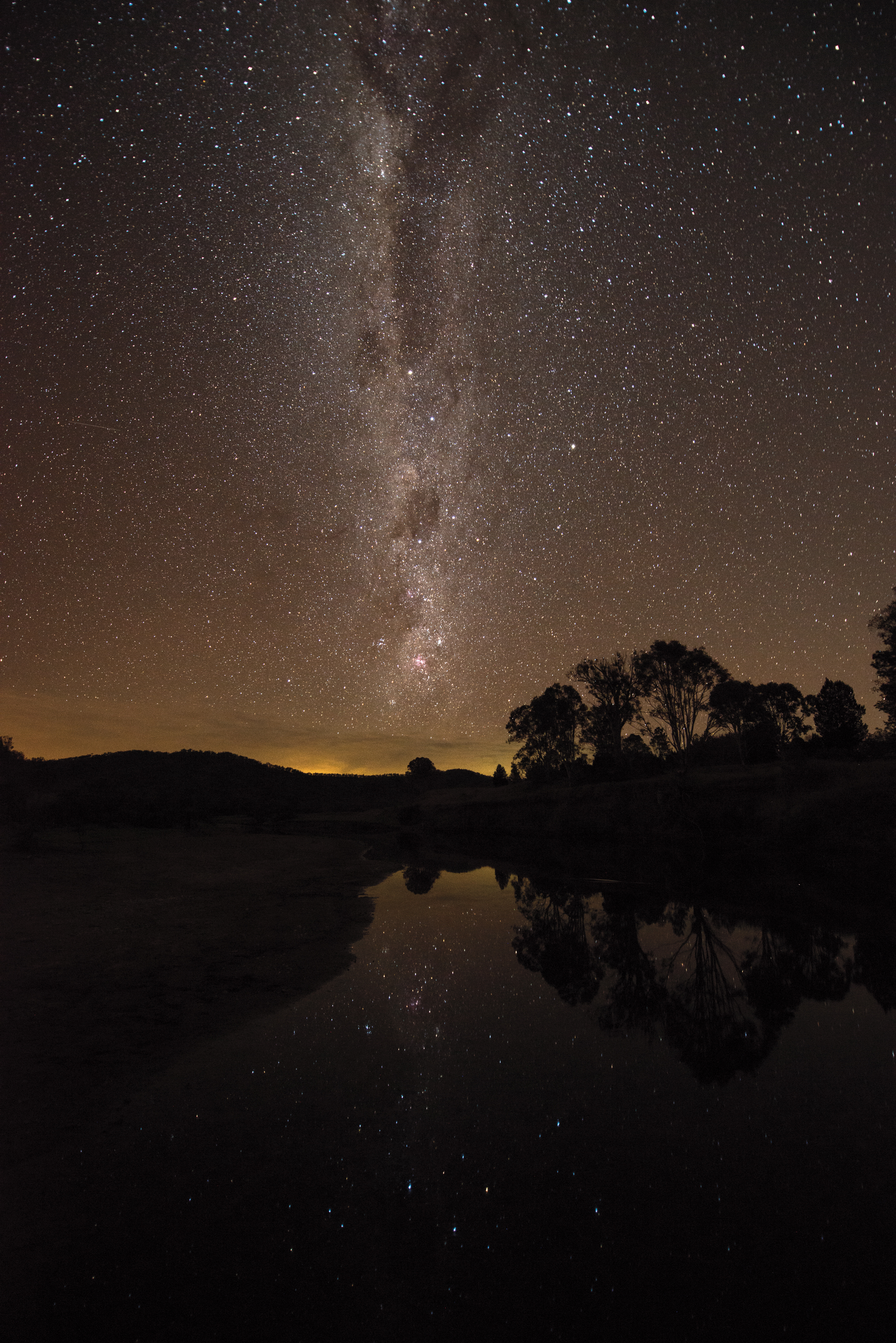
Our Milky Way Galaxy, NGC0000
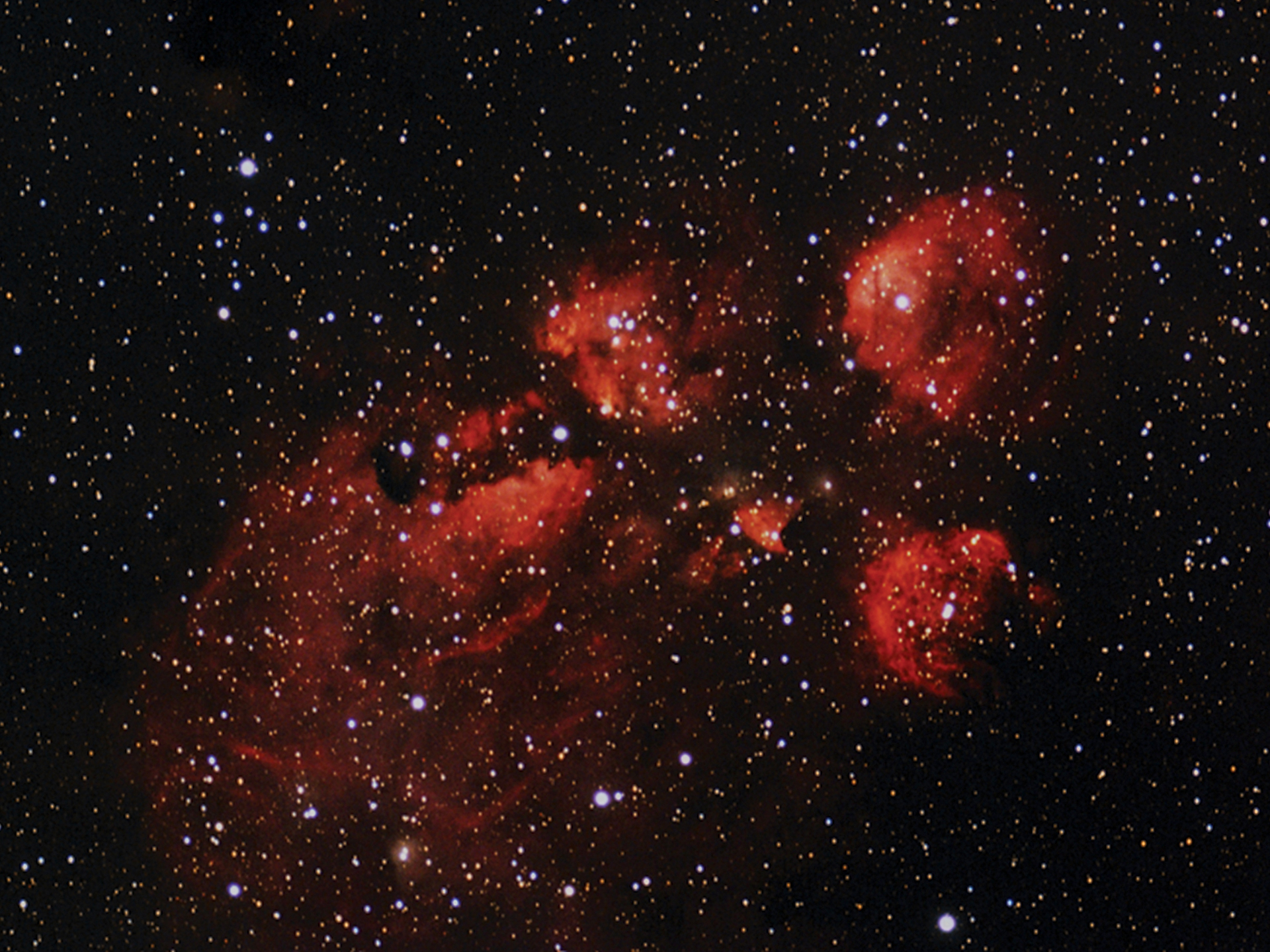
Cat Paw Nebula, NGC6334
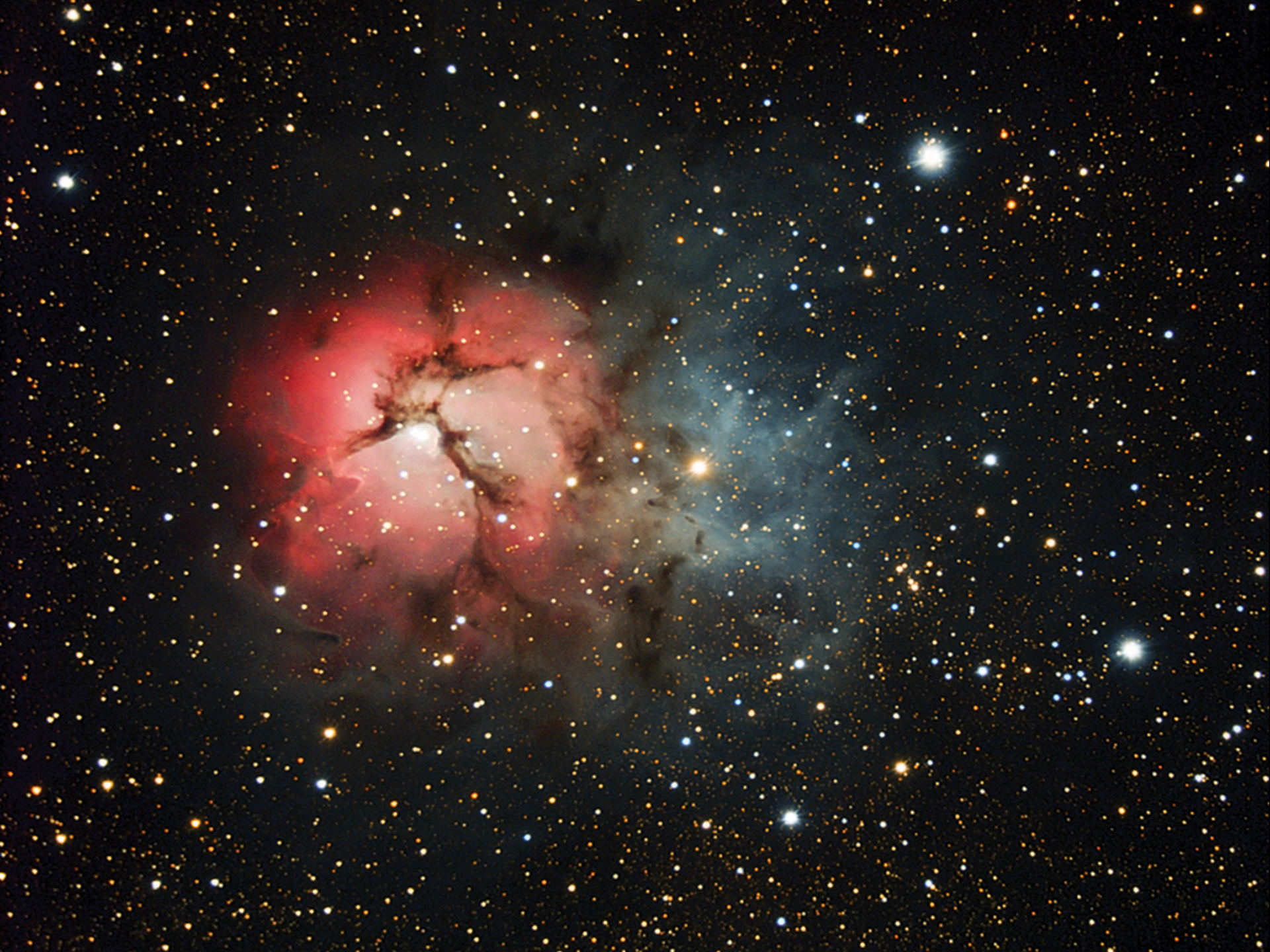
Trifid Nebula, NGC6514, M20